
Skip to content

Free Cold Brew ebook with your order

Free shipping on orders over €40 for Spain (Peninsula), Balearic Islands and Portugal. Shipped within 24/48h Mon-Fri

Free shipping to Europe on orders over €99

Cart

Your cart is empty

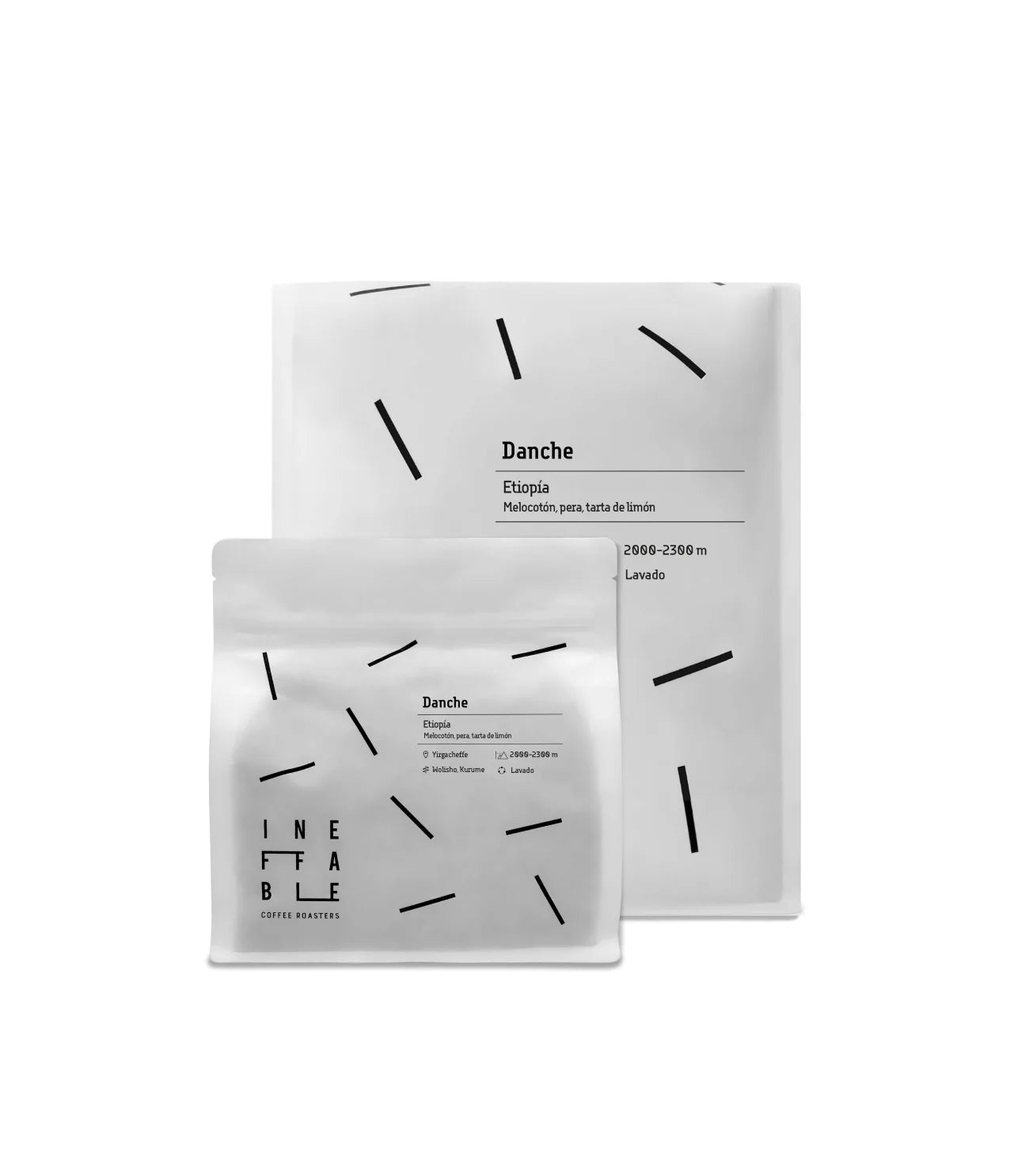
Danche

Sale price16,00€

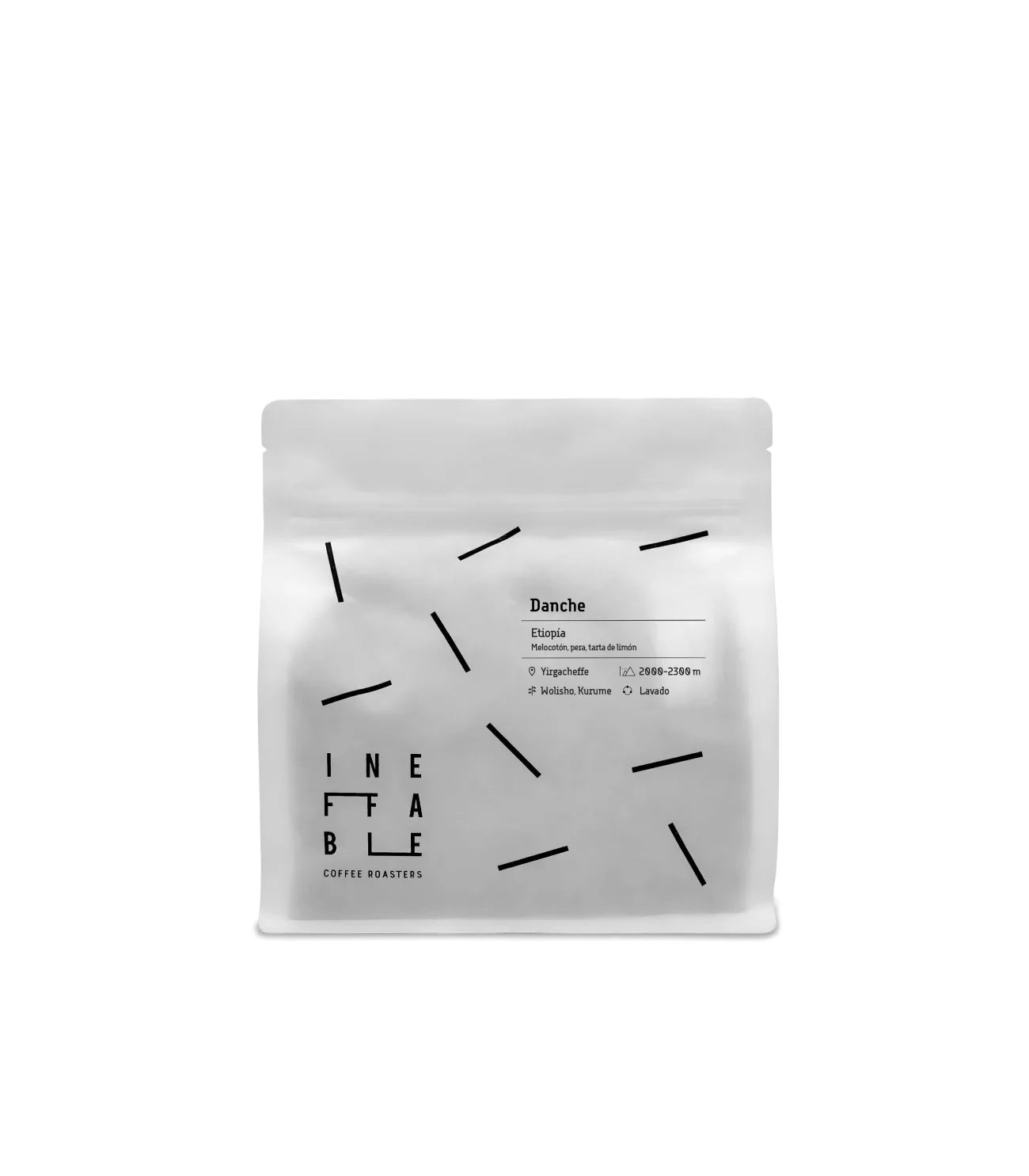
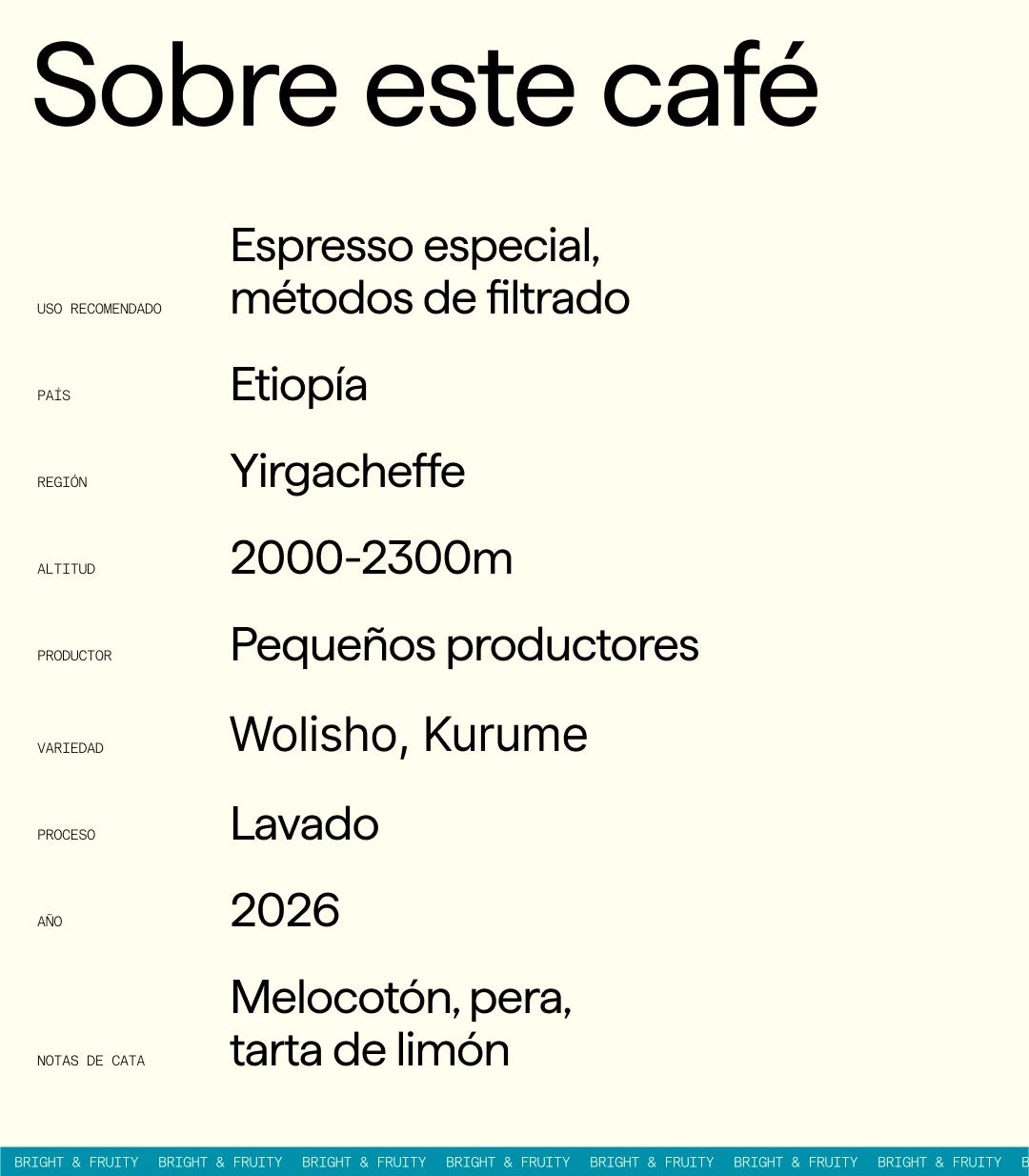
The Danche washing station processes coffee cherries from smallholder farmers in the Gedeb region of Yirgacheffe. Known for its high elevation and fertile soils, together with excellent farming practices, this region plays a significant role in shaping some of the most distinctive and complex flavour profiles found in Ethiopian coffee.

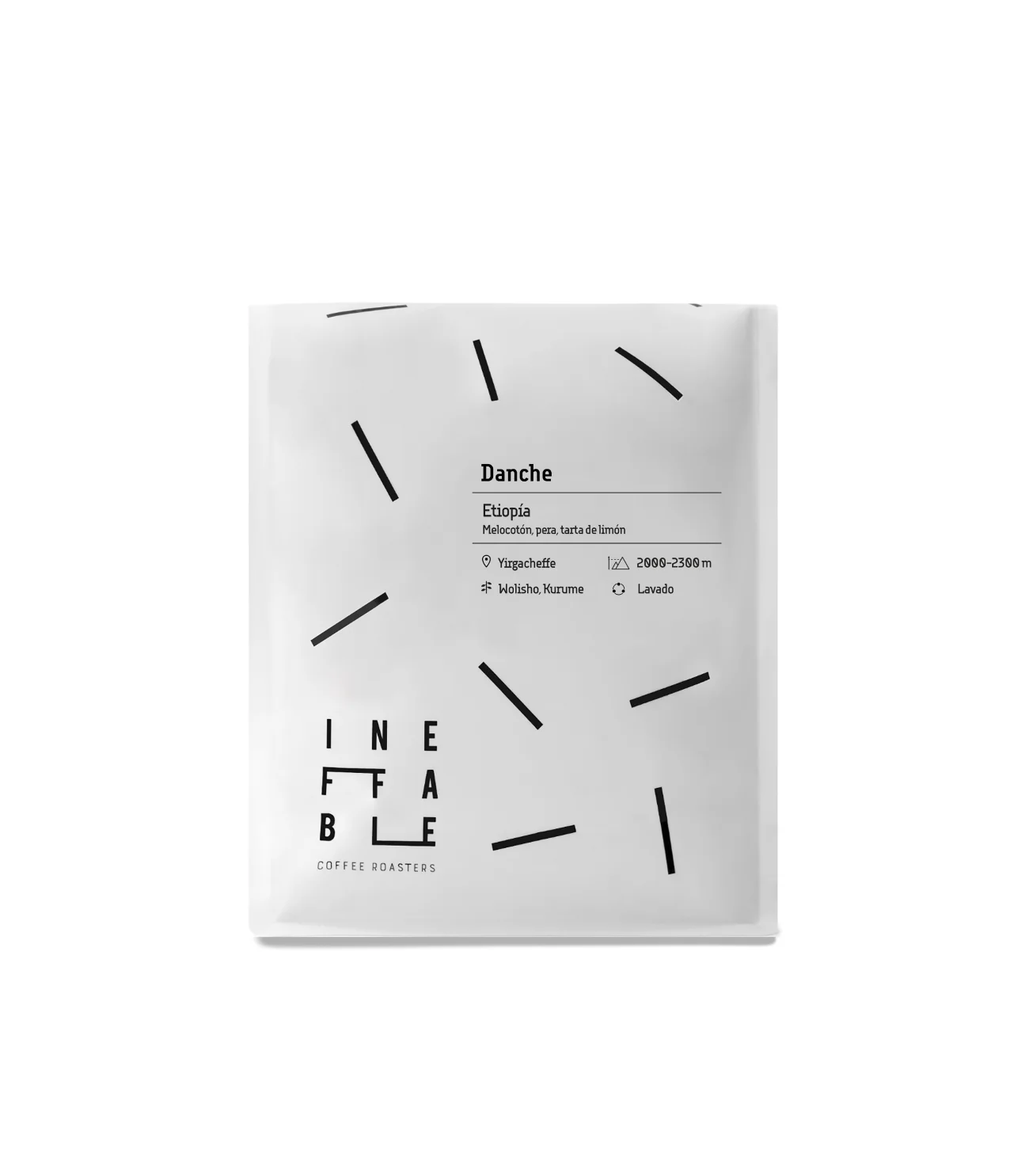
This coffee stands out for its sweet fruity notes of peach and pear. A lemon tart base is complemented by hints of brown sugar. Long-lasting fruity finish with juicy acidity and a creamy body.

Format:

Format:

Whole bean-Ground:

Whole bean-Ground:

Whole bean-Ground:

Cantidad

Danche
Danche Sale price16,00€

Reviews of our product

Fresh seasonal coffee

Freshly roasted in Seville

Eco-Friendly Packaging

Fair price

Caution to producers

Traceability from farm to cup

Learn more about the product

Learn more about this coffee

The Danche washing station processes coffee cherries from smallholder farmers in the Gedeb region of Yirgacheffe.

Known for its high elevation and fertile soils, together with excellent farming practices, this region plays a significant role in shaping some of the most distinctive and complex flavour profiles found in Ethiopian coffee.

Harvest usually takes place later in the season than in other regions due to its location.

This extended cherry maturation period contributes significantly to the exceptional quality of its lots.

For this washed lot, the cherries are sorted by density, pulped and then fermented.

They are then sorted once more before drying on raised African beds for around 20 days.

Meet the producer

Danche: the elegance of Yirgacheffe in every cup

A coffee that speaks of the place it comes from

Some coffees impress through their intensity, while others do so through their balance. This Danche lot belongs firmly in the latter category: a bright, delicate and nuanced cup that faithfully reflects the landscape where it is grown. Sourced from the Yirgacheffe region in southern Ethiopia, this coffee is a reminder of why this origin remains one of the world's benchmarks for elegant specialty coffee.

In the Gedeb area, within the small district of Chelbesa, hundreds of families cultivate coffee on plots of just two or three hectares. At more than 2,200 metres above sea level, the cherries ripen slowly thanks to mild temperatures and an exceptional environment for coffee cultivation. This combination of altitude, climate and indigenous varieties creates highly complex flavour profiles where fruit and acidity express themselves with a natural elegance rarely found elsewhere.

This lot combines the Kurume and Wolisho varieties, two of the many indigenous Ethiopian coffee varieties that form part of the country's extraordinary genetic heritage. Rather than standing out individually, they come together to create a clean, expressive cup that is deeply connected to its origin.

The strength of a community

Behind this coffee are around 800 smallholder farmers who deliver their cherries to the Danche washing station. In Ethiopia, this collaborative production model is an essential part of the country's coffee identity. Each farmer contributes a small quantity of coffee, but together they produce lots of remarkable quality and consistency.

The station is managed by SNAP Coffee, an Ethiopian company founded in Addis Ababa in 2008 with a clear mission: to demonstrate that coffee excellence is only possible through genuine commitment to the people who grow it. Today, the company operates several washing stations across some of Ethiopia's most prestigious coffee-growing regions, including Sidama, Guji and Yirgacheffe itself.

Their work extends far beyond coffee processing. Every year, thousands of farmers receive training in crop management, nursery development and climate-adapted farming practices. Sustainability here is not an abstract concept, but a practical tool to ensure future harvests continue delivering outstanding quality while improving the livelihoods of producing communities.

A cup you'll want to return to

The carefully executed washed process at Danche is designed to let the origin take centre stage. After controlled fermentation and slow drying on raised African beds, the result is an exceptionally clean and well-defined cup where every nuance has room to shine.

In the cup, you'll find notes of ripe peach and pear, accompanied by a delicate hint of lemon tart that brings freshness and depth without overpowering the profile. It is a juicy, elegant and remarkably balanced coffee with a silky texture that makes every sip as enjoyable as the last.

It is one of those coffees that doesn't rely on exotic processing to impress. Its true strength lies in the precision with which it expresses the character of Yirgacheffe: floral without excess, naturally fruity, and capable of combining sweetness, acidity and clarity in remarkable harmony.

For anyone who enjoys exploring single-origin coffees, Danche offers an outstanding opportunity to understand why Ethiopia continues to be one of the world's great references in specialty coffee. A coffee that does not seek attention through an extravagant process, but through something far more difficult to achieve: conveying, with honesty and elegance, the place it comes from.

Recetas para este café

Filter

The recipe below is a guideline to follow at home. Results will always vary depending on your own equipment, setup and all the variables that can affect coffee extraction.

Every coffee we roast one of our team will experiment to come up with something we like to drink, below details all the information you need to recreate the recipe, however we always recommend tasting and experimenting to find out what you like, use the following as a guideline and adapt.

It’s the journey not the destination.

Some key things to note: Water is the most important precursor to having a tasty cup of coffee, depending on where you live water composition can vary wildly and for this reason we recommend using filtered water at a minimum, a mixture of Bezoya and Lanjarón water is a better option. When you change any part of the recipe, always change one thing at a time so you know the influence it had on flavour.

Normally we will start by adapting the ratio to our liking first and once we have a brew with a pleasant strength and mouthfeel we can look at the other aspects of the extraction to altar.

Most percolation coffee filter coffees thrive with a ratio between 1:15 and 1:17. Brewed between 2:30 and 4:30.

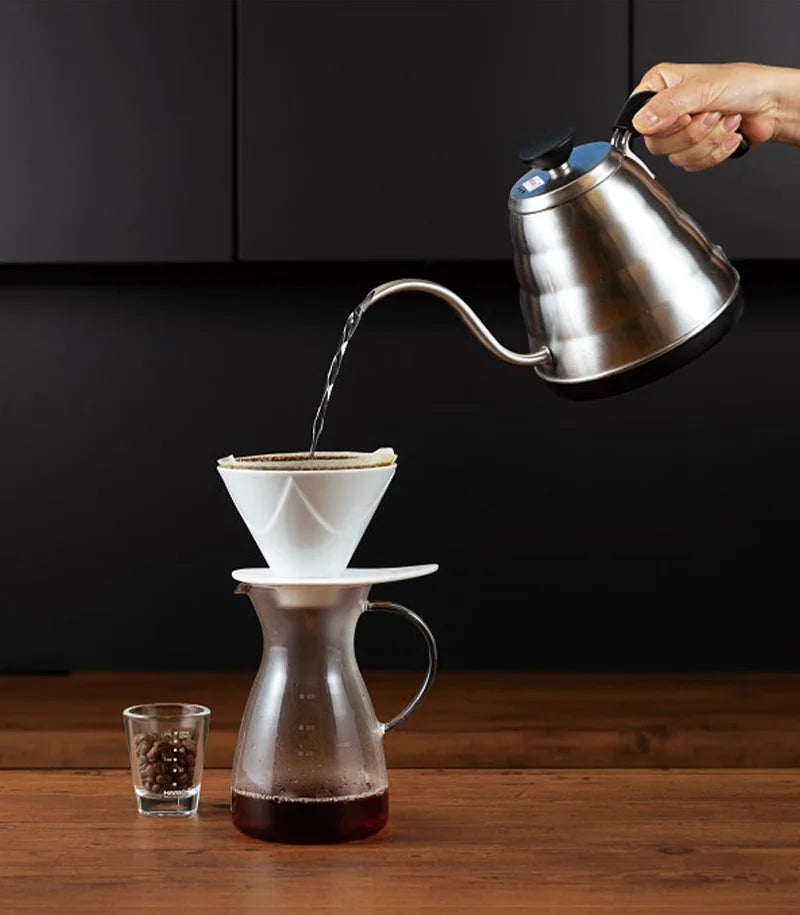
Kalita/Origami/Orea

We’ve chosen these methods to express our recipes as they are forgiving and easily transferable to other percolation recipes, the flat bottom and crimped sides of the Kalita papers give a large surface area that prevents any major stalling of the flow due to fines migration & clogging.

Kalita/Origami/Orea

Recipe:

  • Ratio: 1:17
  • Coffee: 20gr
  • Water: 340ml/gr
  • Total time: 3:20-4 min
  • Temperature: 94ºC
  • Grinder setting: 21 'clicks' Comandante
  • Measured TDS and extraction yield (EY) of the tested recipe

Variables:

  • Coffee resting time: minimum of 1-2 days peaks after 1-2 weeks
  • Water used: Bezoya 1:2 Lanjarón
  • Paper filter: Kalita 185

Equipment:

Kalita/Origami, Kalita filter, Scales, timer, grinder, mug or decanter, kettle preferably gooseneck.

Method:

  1. Heat the water in the kettle and when hot rinse the paper filter on the origami to remove any paper flavor and preheat the brewer.
  2. Grind the coffee to the recommended size.
  3. Throw away the used water and replace the brewer and distribute the ground coffee in a level bed in the filter, some like to poke a little divit in the top as to aid saturating all the coffee, tare the scales.
  4. Start the stopwatch as you start pouring 60g/ml of water slowly and gently in a circular motion and wait 30-40 seconds for the grounds to degas, being mindful to saturate the entire coffee bed. If the coffee was roasted recently you will notice the bed expanding and you may wish to leave to degas for longer.
  5. Pour the remaining water slowly until you reach 200-250ml/gr, ensure the water never comes above an inch from the top to avoid the water bypassing the coffee and reducing the extraction, pause to let it drain if it comes too high.
  6. Gently and carefully lift and swirl the brewer once to level the bed.
  7. Continue to slowly pour the remaining water and swirl the brewer once to give a good level drawdown.
  8. We are looking for the brew to finish in the time stipulated, adjust the grind size if necessary for the next time you brew.

Espresso

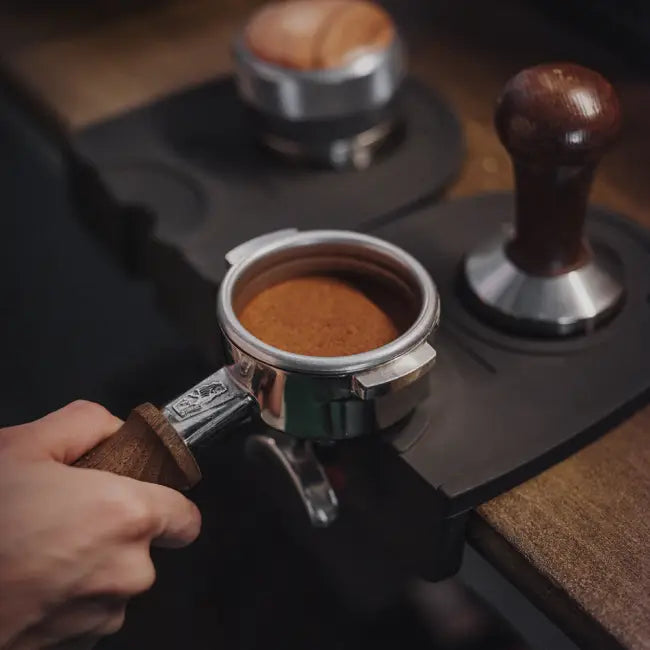
Here's our most up-to-date recipe. It's important to remember that this recipe is a reference and that many variables will influence the final result of the espresso in your cup: from the condition of your machine and grinder, the water you use, the storage/steeping time of your coffee, to the temperature/atmospheric pressure, etc. Therefore, you may need to adjust some parameters to achieve a flavorful and balanced espresso based on your specific needs.

Recipe:

  • Ratio: 1:2.2
  • Dry: 18gr
  • In cup: 41gr
  • Time: 30-36s

Variables:

  • Resting time: minimum 2 weeks
  • Temperature: 94ºC
  • Pressure: 6 bars
  • Pre-infusion: No
  • GH 60 (ppm as CaCO3) KH 30 (ppm as CaCO3)

Machinery and equipment used for this recipe:

  • Espresso machine: La Marzocco KB90 2G
  • Mill: Mythos 1
  • Scoop: 22gr VST (without slot)
  • Extras: Barista Hustle WDT, Push Tamper (flat, 100% level)

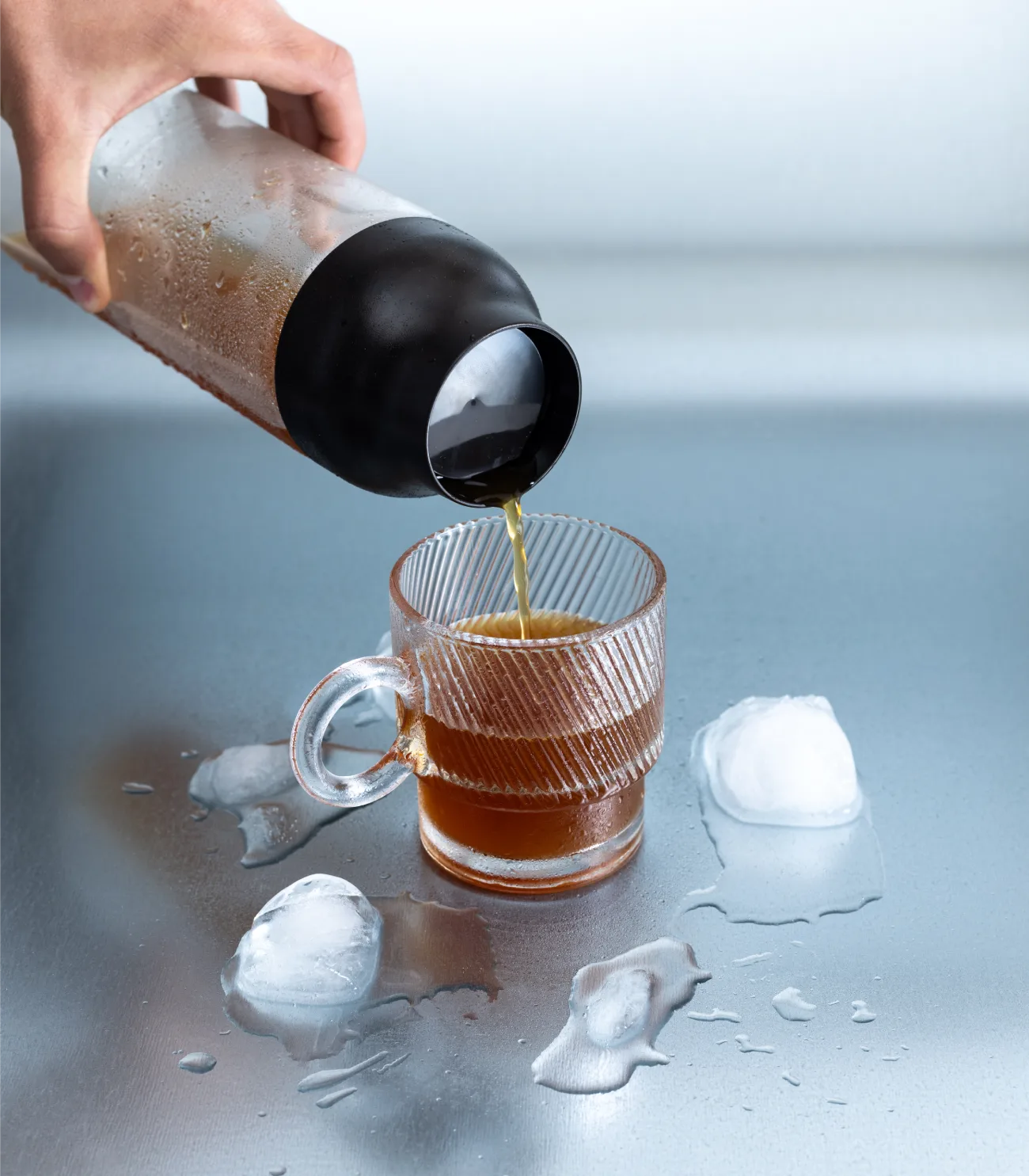
Cold brew

[ Watch the recipe video ]

When making Cold Brew, we typically make larger quantities than with other brewing methods. So, we're providing a recipe for one liter of Cold Brew. If you want to make more or less than this amount, the ratio is 1:14; 1g of coffee for every 14g/ml of water.

Recipe and equipment:

Preparation:

  • Grind the coffee to a medium/coarse grind
  • Place the coffee directly into the filter of the pitcher or bottle
  • Pour the pre-weighed water into the pitcher or bottle
  • Stir gently to saturate all the coffee
  • Cover the container
  • Let it steep for 16-24 hours in the refrigerator (be careful with strong odors!)
  • After this steeping time, remove the filter with the coffee, and it's ready.

BONUS:

Bonus 1:You can do an additional filtration with a V60 paper filter, Kalita, cheesecloth, or something similar to get a cleaner and clearer result.

Bonus 2:For the best flavor, consume as soon as it's ready, as it will oxidize over time.

Bonus 3:Do not shake or press the coffee to avoid extracting bitter flavors or sediment.

Bonus 4:You can freeze Cold Brew into ice cubes and use them to chill your Cold Brew or for making other drinks.

Bonus 5:Food safety: wash your hands and utensils properly. Keep for a maximum of 3 days in the refrigerator in a glass container, preferably closed and without additives (sugar, milk, etc.).

Related products

FREE SHIPPING

Spain (Peninsula)

>40€ / Delivery 24/48h LV

Balearics

>40€ / Delivery 3/5 days, LV

Portugal

>40€ / Delivery 3/5 days, LV

Europe

>99€ / Delivery 4/7 days, LV

See more...