
Skip to content

Free Cold Brew ebook with your order

Free shipping on orders over €40 for Spain (Peninsula), Balearic Islands and Portugal. Shipped within 24/48h Mon-Fri

Free shipping to Europe on orders over €99

Cart

Your cart is empty

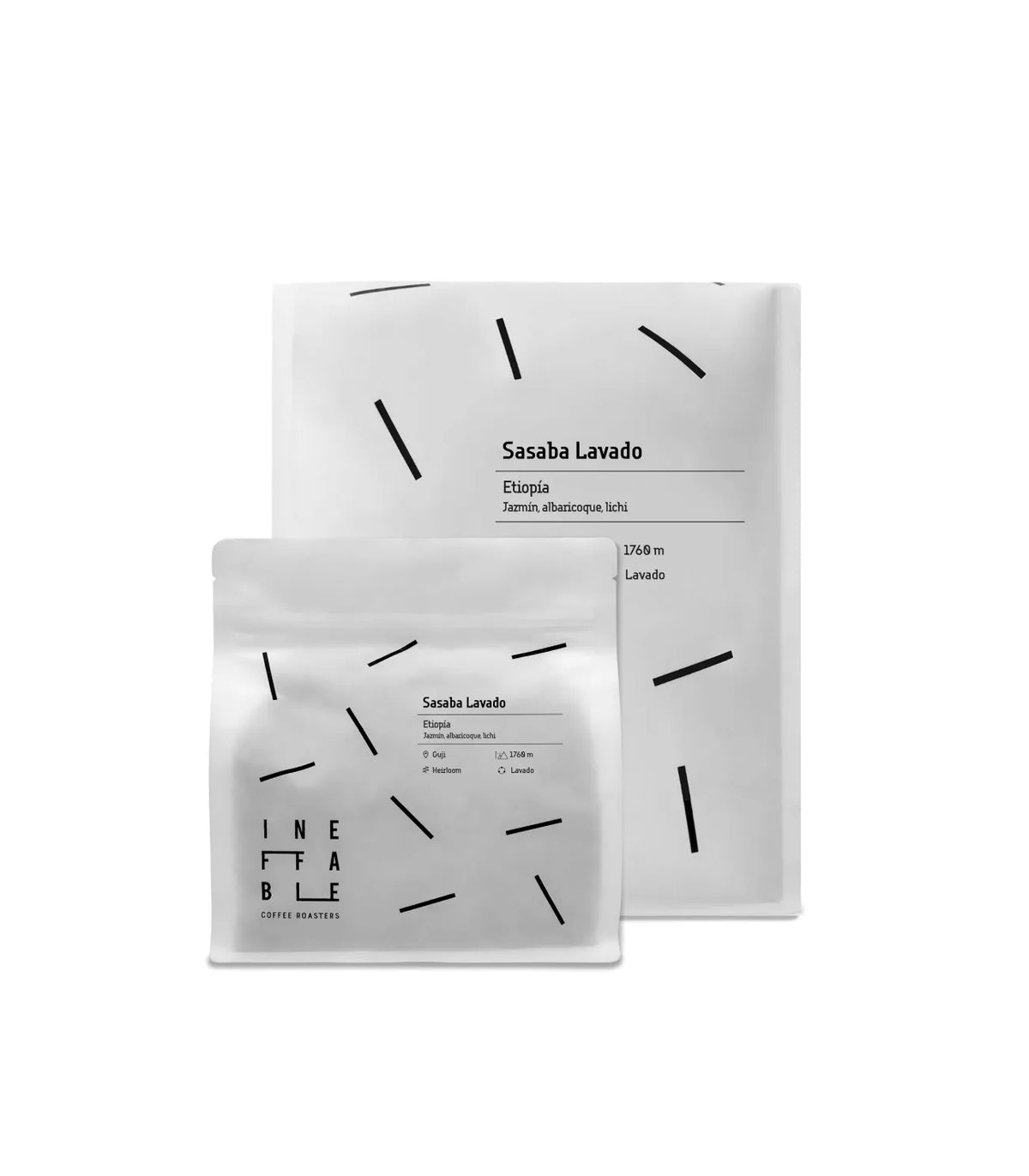
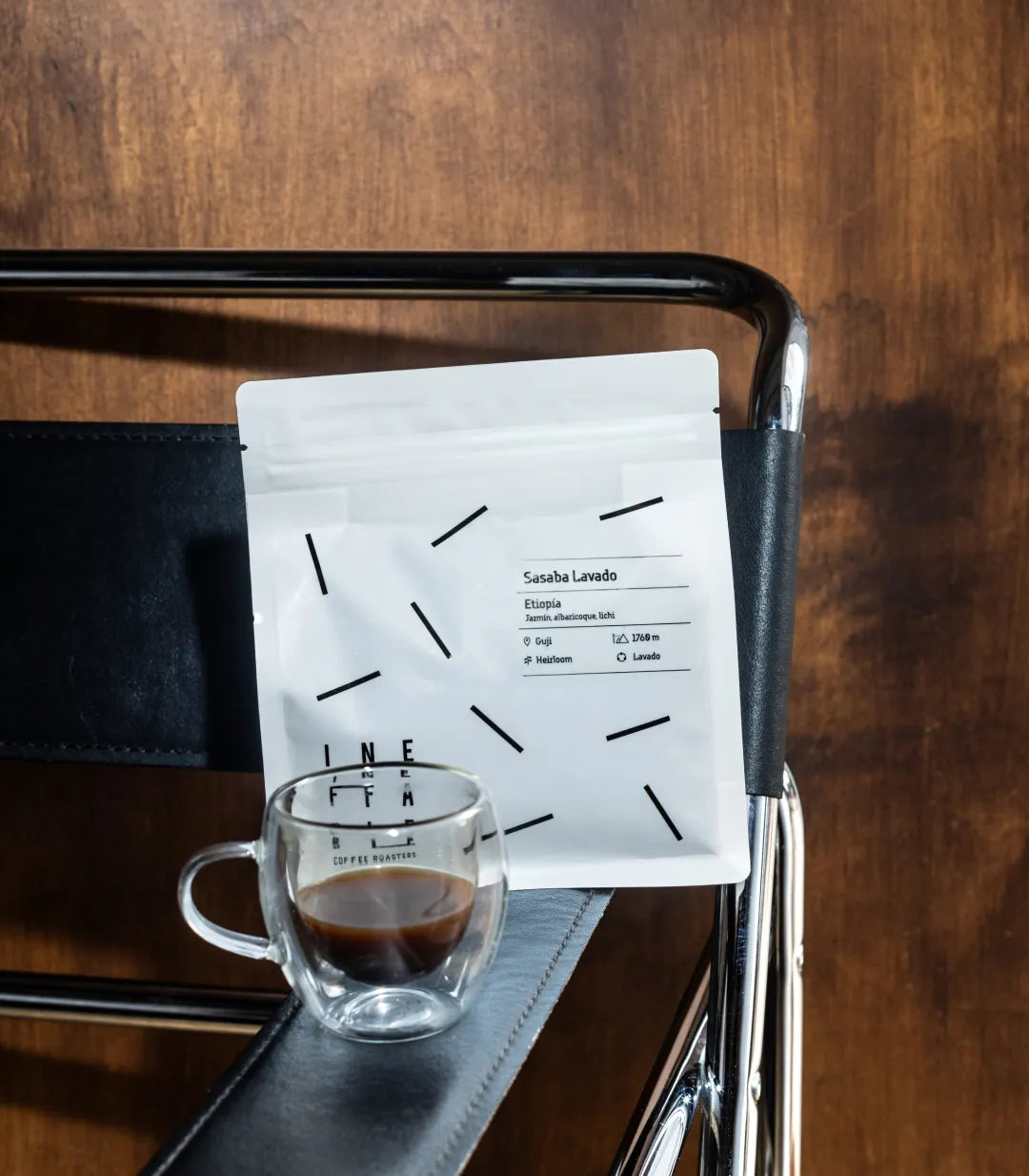
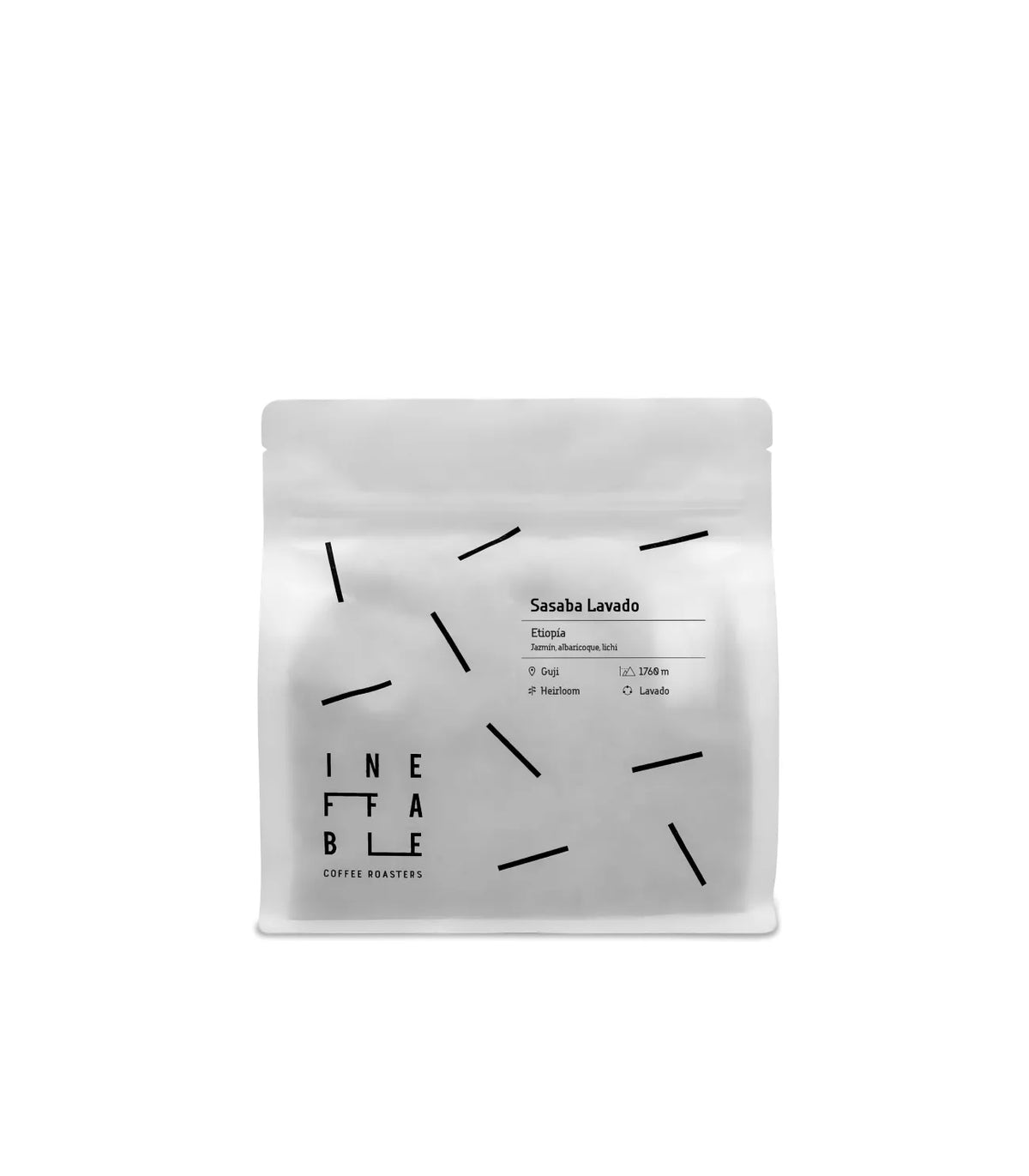
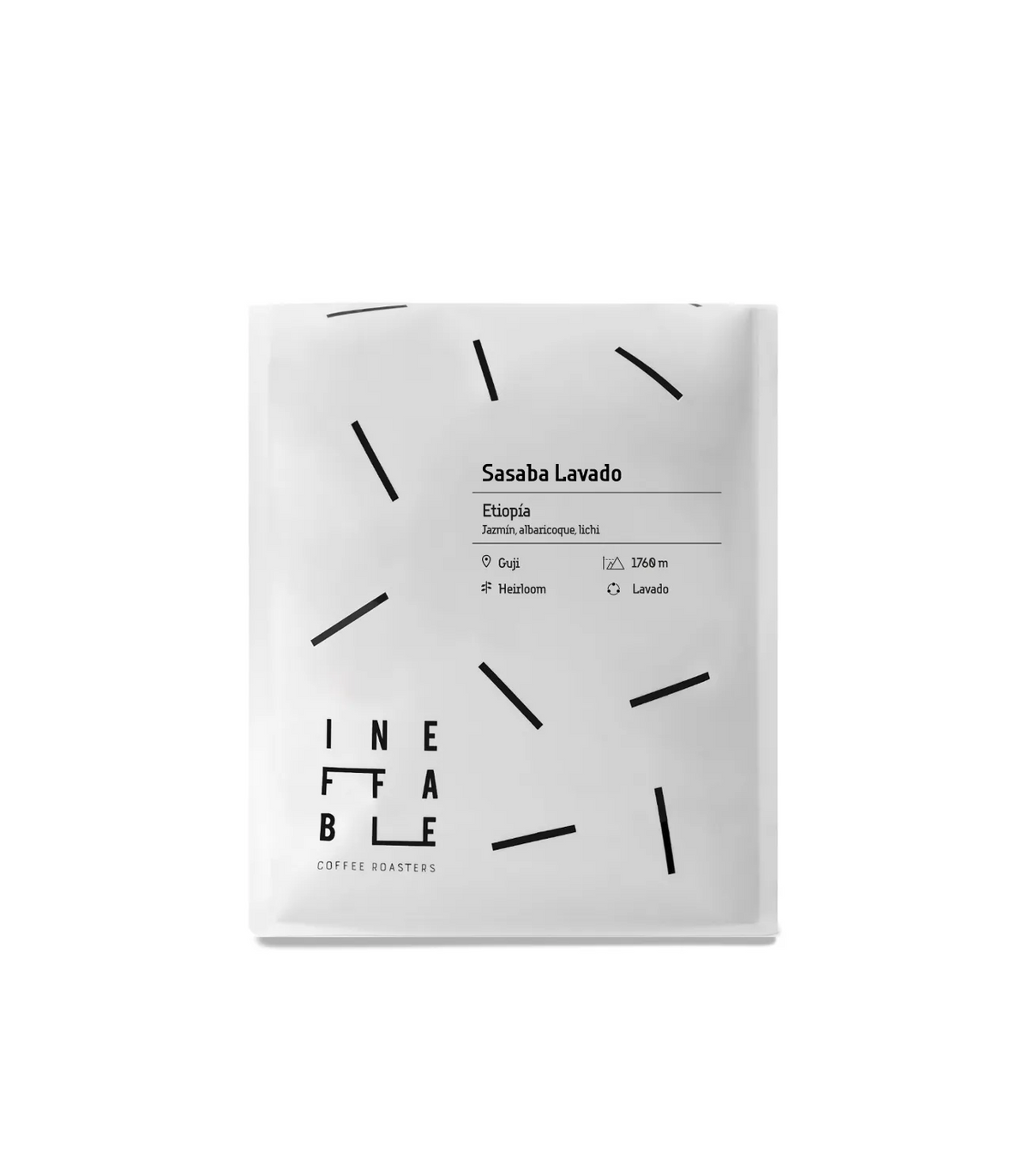
Sasaba Lavado

Sale price16,00€

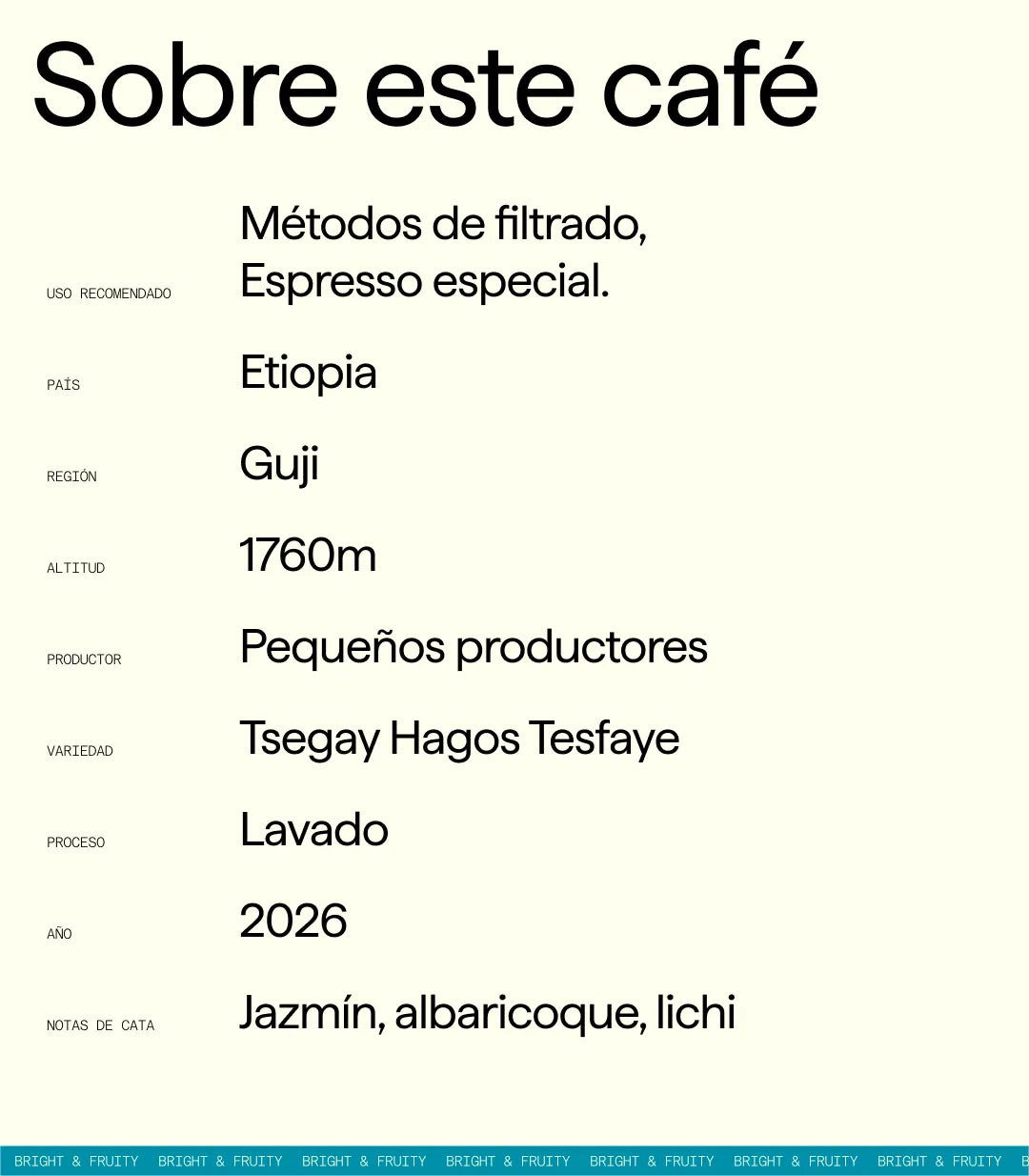
Sasaba sits in the fertile hills of the Kercha district, in Guji, Ethiopia, where Tsegay Hagos Tesfaye runs one of the best-known washing stations in the area.

This coffee stands out for its sweet, fruity notes of jasmine and apricot, with a lychee base and a hint of panela. A lingering, fruity finish, with juicy acidity and a silky body.

Format:

Format:

Whole bean-Ground:

Whole bean-Ground:

Whole bean-Ground:

Cantidad

Sasaba lavado
Sasaba Lavado Sale price16,00€

Reviews of our product

Fresh seasonal coffee

Freshly roasted in Seville

Eco-Friendly Packaging

Fair price

Caution to producers

Traceability from farm to cup

Learn more about the product

Get to know this coffee in detail

Sasaba sits in the fertile hills of the Kercha district, in Guji, Ethiopia, where Tsegay Hagos Tesfaye runs one of the best-known washing stations in the area.

With more than 600 African drying beds and a large pulping machine, it processes cherries from over 500 Gedeo and Guji smallholders, who grow at high altitude beneath the shade of native trees.

The station works only with experienced farmers, offering them training and premiums for quality, and in 2018 ten of its individual lots were sold at the Operation Cherry Red auction.

The cherries, of local Heirloom varieties, ferment for 48 to 72 hours and are dried on African beds for seven to eight days.

The result is an exceptional washed coffee, floral and fruity, with notes of jasmine, apricot and lychee.

Meet the producer

Sasaba Washed

A Guji washing station that doesn’t grow alone

Some coffees are explained by a variety or a process. This one is explained, above all, by people. Sasaba is a washing station, but it is also a way of understanding how a cup gets made: by many hands, with patience and a long view.

Sasaba lavado · Sasaba lavado

Kercha, among green hills

To reach Sasaba you head into Kercha district, in Guji, in southern Ethiopia. You leave the main highway behind and follow dirt tracks, sometimes muddy, that wind between green hills and fertile fields. Here, Tsegay Hagos Tesfaye, founder and owner, runs one of the best-known washing stations in the area.

Sasaba has more than 600 African drying beds and a large pulper, and receives cherries from over 500 smallholders. They are Gedeo and Guji families, many of whom have farmed coffee on these slopes for generations, side by side. Their plots sit at high altitude, beneath the shade of native trees and enset, the so-called false banana.

Sasaba lavado · Sasaba lavado

“Sasaba does not grow alone”

The words are Tsegay’s, and they sum up the philosophy of the station. For him, Sasaba’s success is bound up with that of the farmers around it, which is why the station invests in training them, in the hope that one day they will be able to export their own coffee.

Sasaba works with the most experienced farmers in the area, those who have shown they can produce quality coffee consistently. Working alone, it would be harder for them to market their coffee. In the past, many sold their freshly picked cherries to private traders at low prices. Today the station pays them a premium as long as the coffee meets its standards, and when needed it is also there for them: with transport in medical emergencies, or loans during the leanest months of the rainy season.

The relationship works both ways. Tsegay puts it by saying that the station stands by the farmers whatever happens, and that this is why they stand by it in return. Better coffee means better sales, for the farmers and for the station. In 2018, ten of these farmers saw Sasaba process their lots separately to be sold at the Operation Cherry Red auction, earning them even more for their work.

Sasaba lavado · Sasaba lavado

From cherry to cup

The cherries arrive at the station from late October to December. There they ferment for 48 to 72 hours and are then dried on African beds for seven to eight days. The result is a coffee from local Ethiopian Heirloom varieties, with a floral, fruity profile: jasmine, apricot and lychee.

This is a cup that rewards drinking slowly. We recommend brewing it with filter methods, to enjoy its floral, fruity side, though it also works as a speciality espresso for those who want to discover how it behaves in a smaller cup.

For us, it is a good way of getting to know Ethiopia through the people who make it possible, beyond what a tasting note can tell.

A coffee to remind us that behind every cup there are almost always far more people than we imagine.

Sasaba lavado · Sasaba lavado

Recetas para este café

Washed Coffees Filter

The following recipe is a guide intended for preparing coffee at home. Results may vary depending on your equipment, settings, and all the variables that influence extraction.

For every coffee we roast, our team performs tests until they find a recipe that highlights all the coffee's qualities. The one you'll see below includes all the necessary information to replicate it. Even so, we always recommend experimenting to discover what you like best: use it as a guide and adapt it to your preference.

Remember: it's the journey, not the destination.

Note: Water is the most important factor in achieving a great cup of coffee. Depending on where you live, its composition can vary drastically. Therefore, we recommend using at least filtered water; another option is a mixture of Bezoya and Lanjarón. When adjusting the recipe, change only one variable at a time to identify how it affects the flavor.

It's common to start by adjusting the coffee-to-water ratio. Once you achieve a cup with a pleasant intensity and mouthfeel, you can modify other aspects of the extraction.

Most pour-over coffee recipes use a ratio between 1:15 and 1:17, with a brew time of 2:30 to 4:30 minutes.

Kalita / Origami / Orea

We have chosen this method to share our recipes because it is very versatile and easy to adapt to other pour-over systems. The flat bottom and wavy folds of Kalita filters create a wide surface that prevents significant flow blockages caused by fine particle migration or clogging.

Kalita/Origami/Orea

Recipe:

  • Ratio: 1:17
  • Coffee: 20g
  • Water: 340g
  • Total time: 3:20-4min
  • Temperature: 97ºC

Variables:

  • Resting time: Minimum 7 days after roasting, but best expressed after 15-30 days.
  • Water: 100% Bezoya
  • Filter: Kalita 185

Equipment:

Kalita/Origami/Orea, Kalita filter, Scale, timer, grinder, cup/decanter, and gooseneck kettle.

Method:

  1. Place the Orea in a cup/decanter and insert the filter. Pour hot water through it to eliminate paper taste and preheat the equipment.
  2. Grind the coffee to a recommended level.
  3. Discard the water and place the Orea on the scale. Add the coffee, distributing it evenly. Tare the scale and start the timer.
  4. Pour 60g of water in circular motions and wait 30-40 seconds for the coffee to bloom. If the coffee has been recently roasted, allow more time.
  5. Slowly pour until approximately 200-250g of water, and swirl the Orea once to level the coffee bed and ensure it is fully saturated with water. Never fill to the brim; leave at least a 2 cm gap from the top to limit water bypass around the coffee bed, reducing extraction.
  6. Continue pouring water slowly as before until you have added the necessary amount.
  7. Swirl one last time and let the water drain.
  8. We are aiming for a total time according to the recipe. Adjust the grind size if necessary next time.

Espresso

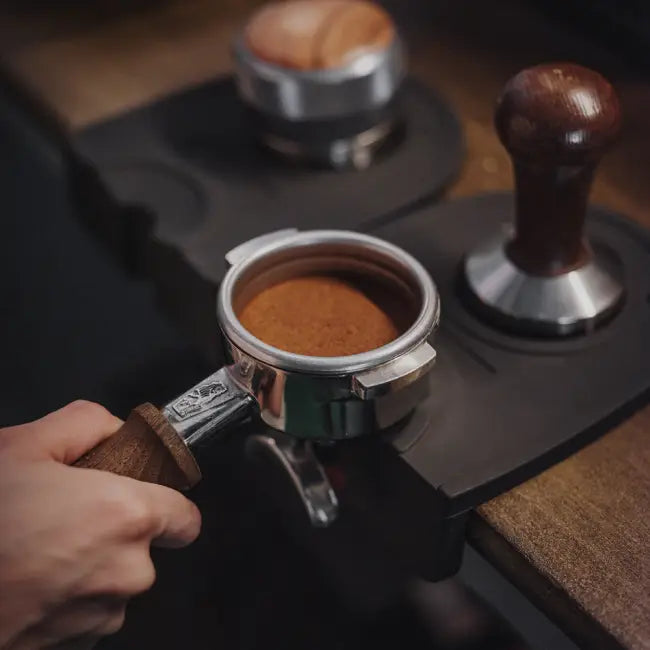
Here's our most up-to-date recipe. It's important to remember that this recipe is a reference and that many variables will influence the final result of the espresso in your cup: from the condition of your machine and grinder, the water you use, the storage/brewing time of your coffee, to the temperature/pressure, etc. Therefore, you may need to adjust some parameters to achieve a flavorful and balanced espresso based on your specific needs and equipment.

Recipe:

  • Ratio: 1:2.1
  • Dry: 18gr
  • In cup: 38gr
  • Time: 30-36s

Variables:

  • Resting time: minimum 2 weeks
  • Temperature: 94ºC
  • Pressure: 6 bars
  • Pre-infusion: No
  • GH 60 (ppm as CaCO3) KH 30 (ppm as CaCO3)

Machinery and equipment used for this recipe:

  • Espresso machine: La Marzocco PB 2GR
  • Grinder: Mahlkonig
  • Scoop: 22gr VST (without slot)
  • Extras: Barista Hustle WDT, Push Tamper (flat, 100% level)

Cold brew

[ Watch the recipe video ]

When making Cold Brew, we typically make larger quantities than with other brewing methods. So, we're providing a recipe for one liter of Cold Brew. If you want to make more or less than this amount, the ratio is 1:14; 1g of coffee for every 14g/ml of water.

Recipe and equipment:

Preparation:

  • Grind the coffee to a medium/coarse grind
  • Place the coffee directly into the filter of the pitcher or bottle
  • Pour the pre-weighed water into the pitcher or bottle
  • Stir gently to saturate all the coffee
  • Cover the container
  • Let it steep for 16-24 hours in the refrigerator (be careful with strong odors!)
  • After this steeping time, remove the filter with the coffee, and it's ready.

BONUS:

Bonus 1:You can do an additional filtration with a V60 paper filter, Kalita, cheesecloth, or something similar to get a cleaner and clearer result.

Bonus 2:For the best flavor, consume as soon as it's ready, as it will oxidize over time.

Bonus 3:Do not shake or press the coffee to avoid extracting bitter flavors or sediment.

Bonus 4:You can freeze Cold Brew into ice cubes and use them to chill your Cold Brew or for making other drinks.

Bonus 5:Food safety: wash your hands and utensils properly. Keep for a maximum of 3 days in the refrigerator in a glass container, preferably closed and without additives (sugar, milk, etc.).

Related products

FREE SHIPPING

Spain (Peninsula)

>40€ / Delivery 24/48h LV

Balearics

>40€ / Delivery 3/5 days, LV

Portugal

>40€ / Delivery 3/5 days, LV

Europe

>99€ / Delivery 4/7 days, LV

See more...