
Skip to content

Free Cold Brew ebook with your order

Free shipping on orders over €40 for Spain (Peninsula), Balearic Islands and Portugal. Shipped within 24/48h Mon-Fri

Free shipping to Europe on orders over €99

Cart

Your cart is empty

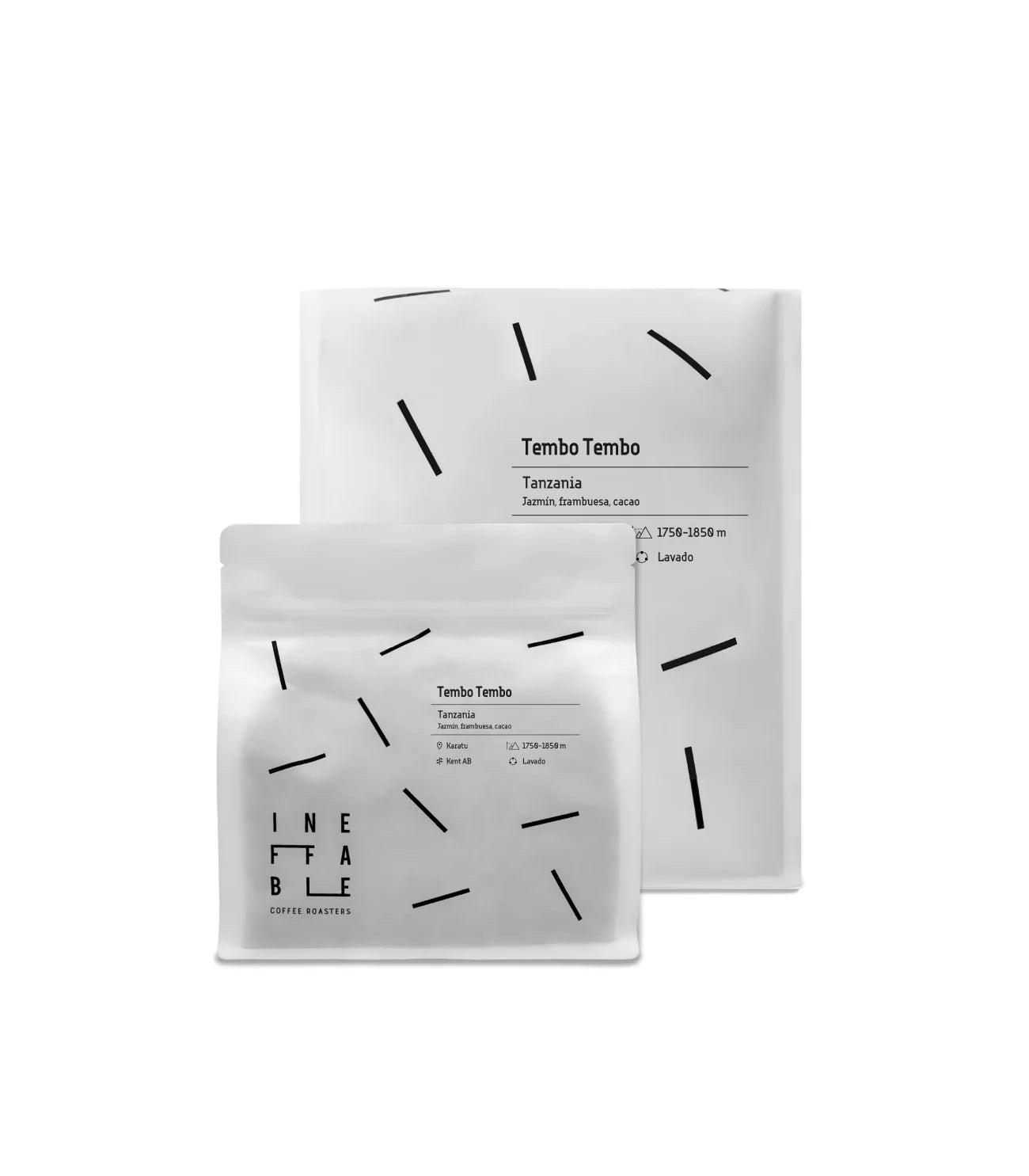
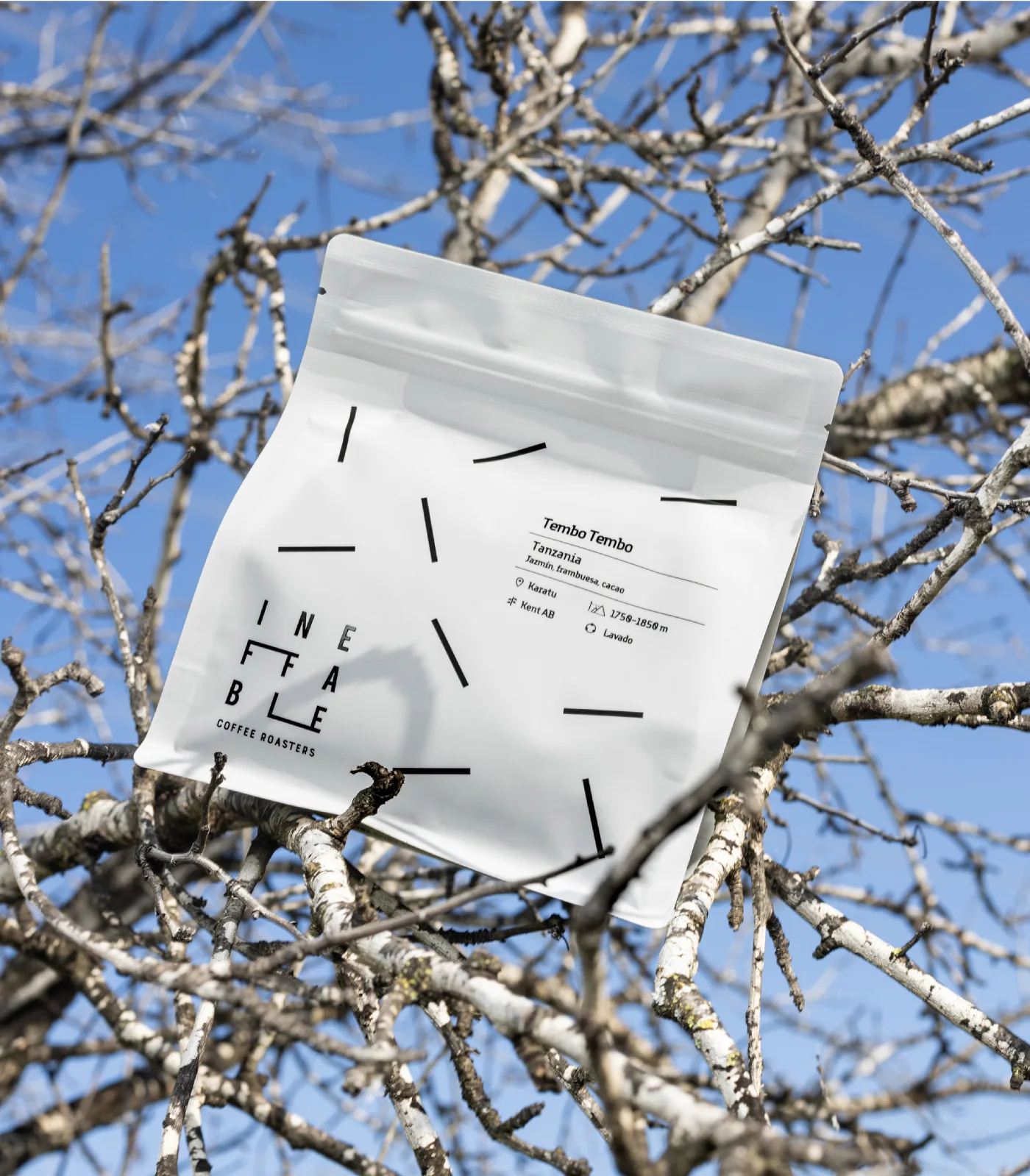
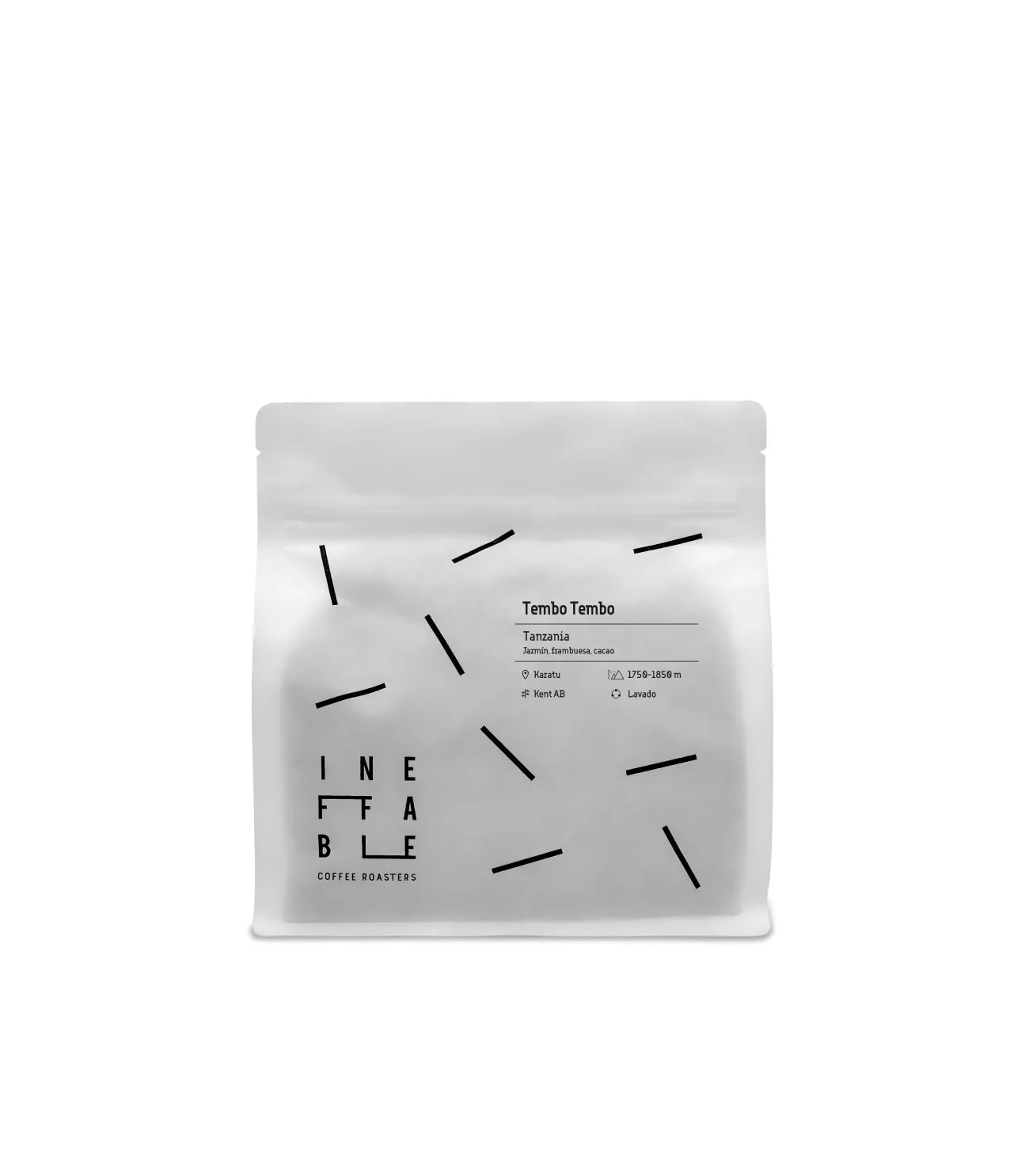
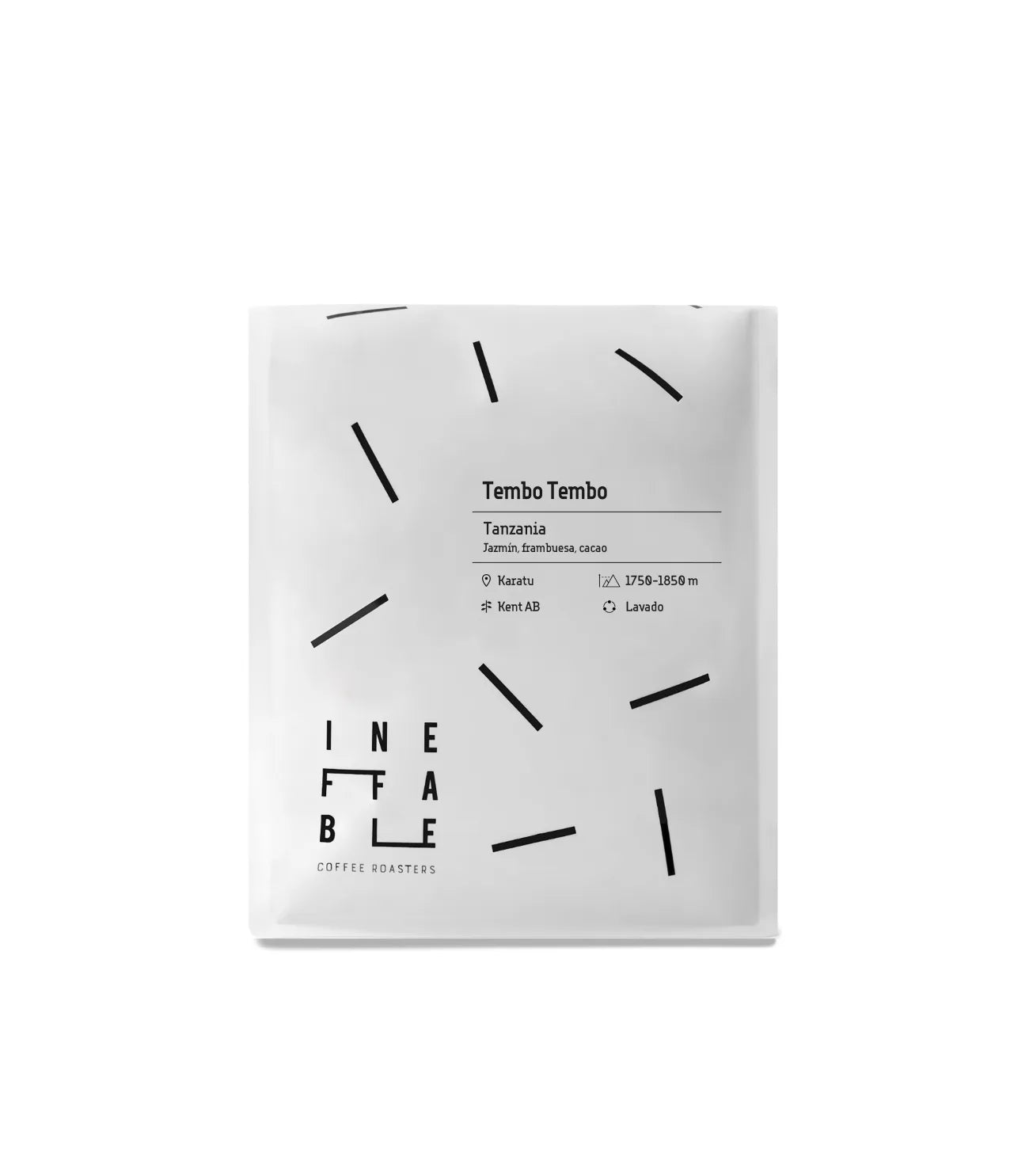
Tembo Tembo

Sale price15,00€

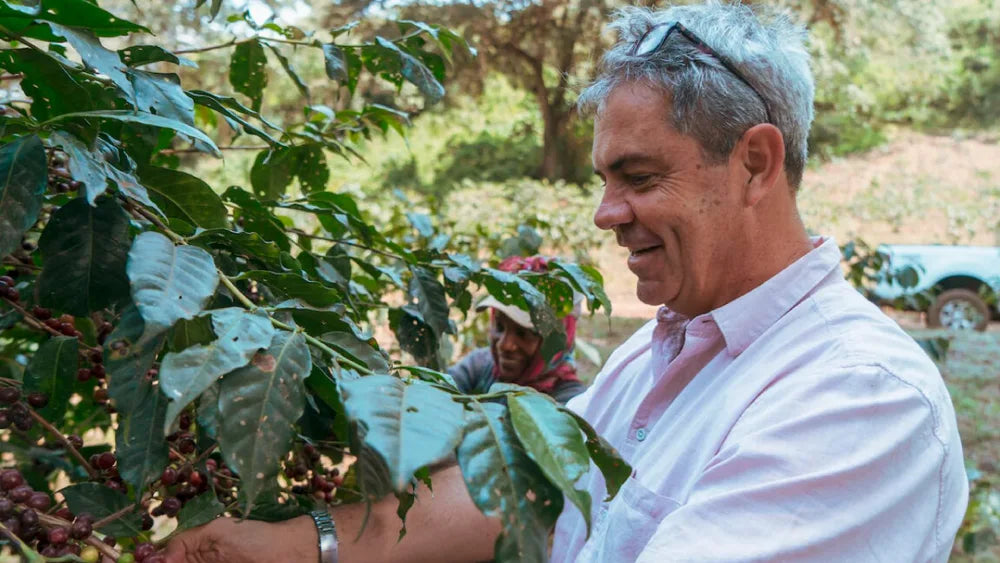
Leon Christianakis is part of the third generation of a Greek family involved in coffee in Tanzania. In 2007, together with his business partner Mark Stell, he established Acacia Hills Estate and Tembo Tembo on Mount Oldeani, a high-altitude area perfectly suited to growing speciality coffee.

This lot offers a fruity, clean flavour profile with notes of jasmine and raspberry. A sweet base of butter and almond is complemented by undertones of cocoa and white chocolate. It has a medium finish with gentle acidity and a silky body.

Format:

Format:

Whole bean-Ground:

Whole bean-Ground:

Whole bean-Ground:

Reviews of our product

Fresh seasonal coffee

Freshly roasted in Seville

Eco-Friendly Packaging

Fair price

Caution to producers

Traceability from farm to cup

Learn more about the product
Get to know this coffee in detail

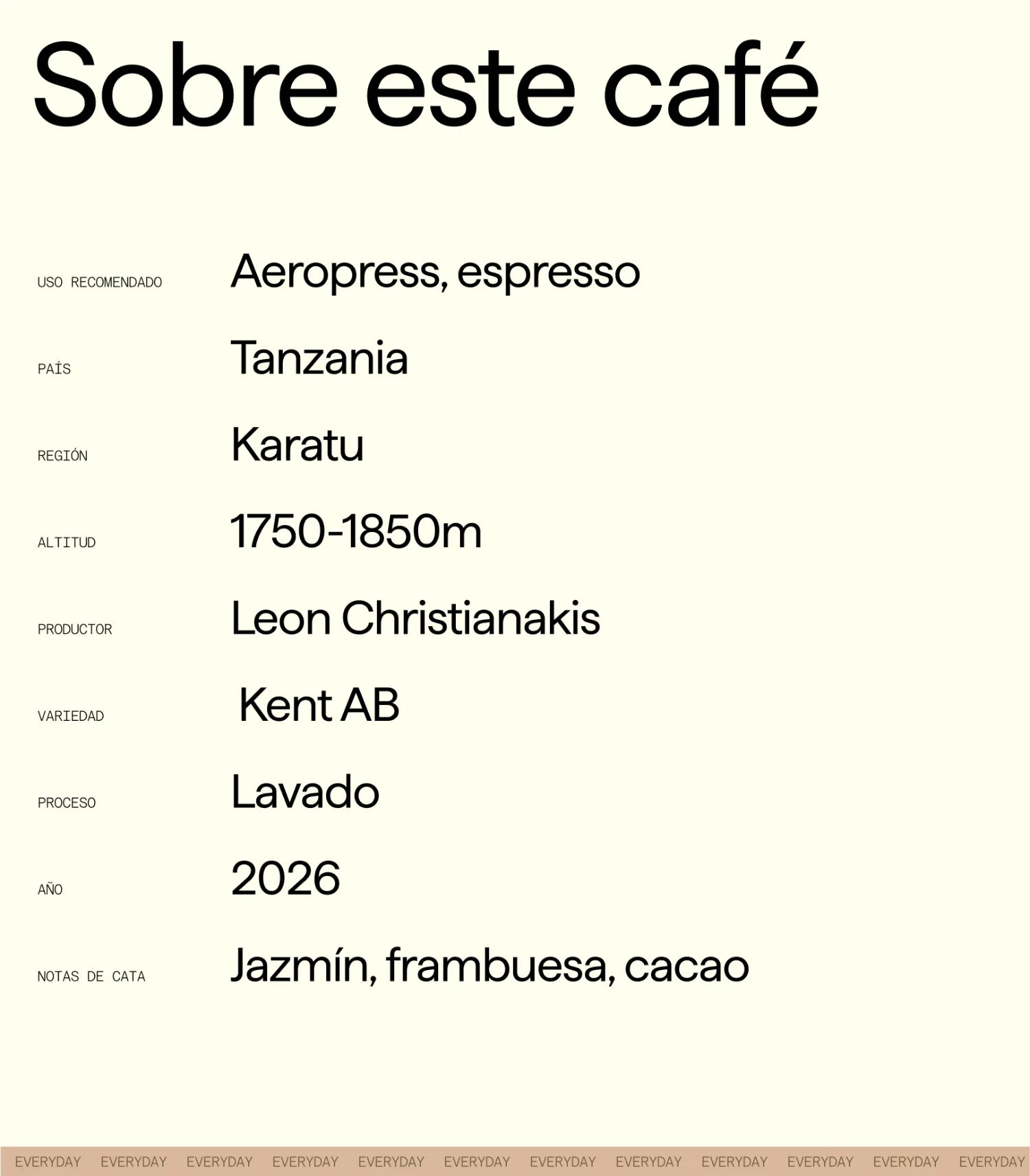
Leon Christianakis is part of the third generation of a Greek family involved in coffee in Tanzania.

In 2007, together with his business partner Mark Stell, he established Acacia Hills Estate and Tembo Tembo on Mount Oldeani, a high-altitude area perfectly suited to growing speciality coffee.

There, they planted varieties such as Kent, SL28 and Geisha, and began working with neighbouring smallholders to help raise the quality of the region’s coffee.

In 2020, their “Cupping at the Crater” initiative evolved into an international auction that placed Tanzania firmly on the speciality coffee map.

In addition to producing outstanding coffees such as this washed Kent, with notes of jasmine, raspberry and cocoa, Leon has developed local water infrastructure and created employment opportunities.

His sustainable vision and commitment to the community have made Acacia Hills a benchmark for quality in East Africa.

Meet the producer

Tembo Tembo: Tanzanian coffee that blends tradition, sustainability and nature

A family history with deep roots

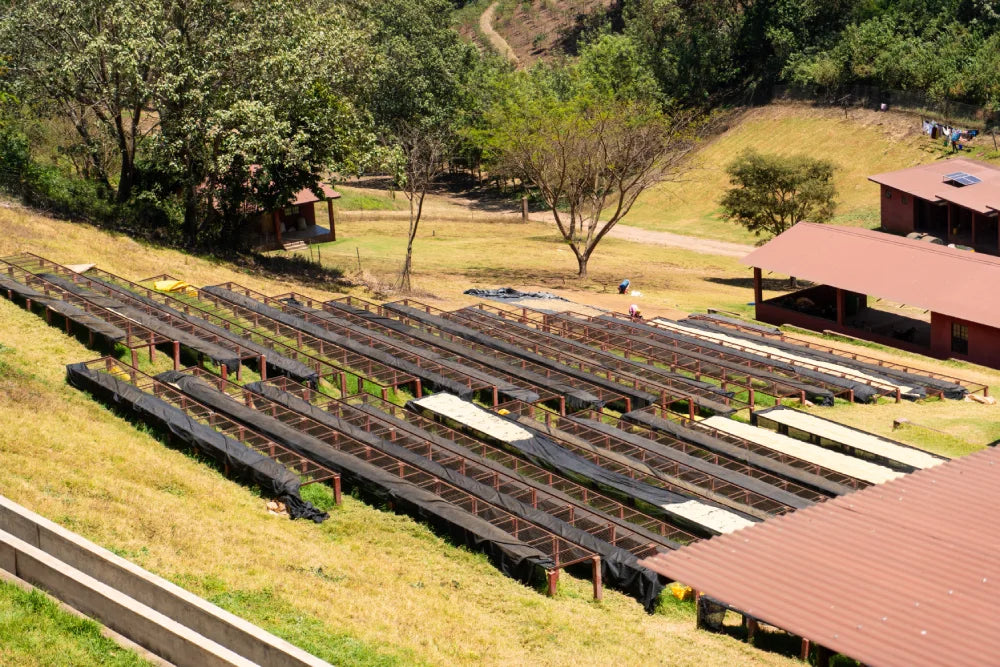
Nestled in the hills near Karatu in northern Tanzania lies Tembo Tembo Estate, a farm that combines family history, a passion for coffee, and a profound respect for nature. Its owner, Leon Christianakis, is part of the third generation of a Greek family that emigrated to Tanzania in the early 1900s to work in coffee production. Since then, the craft has been passed down through generations, adapting to industry changes and environmental challenges.

Adapting with a commitment to sustainability

Leon has witnessed firsthand the transformation of the coffee sector: the fall in commodity coffee prices, the rise of speciality coffee, and the impacts of climate change in the region. Realising that to continue his profession and passion he needed to adapt, he focused his efforts on growing speciality coffee with a sustainable approach. It wasn’t just about producing exceptional quality beans, but also ensuring the land, the people, and the wildlife that form part of the environment could thrive in the long term.

Growth, innovation and respect for wildlife

Together with his wife Aideen, Leon has expanded and strengthened the estate, starting with a nursery where they grow seedlings of various coffee varieties. From there, they have introduced new coffee types, perfected processing methods, and at the same time created jobs for the local community. One of their priorities has been to protect the wildlife in the area — especially important since the estate borders the Ngorongoro Conservation Area, a UNESCO World Heritage Site and home to iconic species such as the African elephant.

The estate’s name — Tembo Tembo — means “elephant” in Swahili, a tribute to these majestic neighbours who, while admired by Leon and Aideen, have also posed significant challenges. Elephants and other wild animals are attracted to the sweet coffee cherries, forcing the producers to find clever ways to protect the crops without harming the wildlife. This delicate balance between agriculture and wildlife conservation is one of the defining values of Tembo Tembo.

Unique conditions for exceptional coffee

The coffee here grows at altitudes between 1,750 and 1,850 metres in a privileged environment for cultivating high-quality varieties such as Kent AB. The cool mountain climate and fertile volcanic soil of the Oldeani region create the perfect conditions for the beans to develop a unique sensory complexity.

At Tembo Tembo, the coffee is typically fully washed: after harvesting, the cherry pulp is removed and the beans are carefully fermented and washed before drying. This method highlights the coffee’s clarity and enhances its bright, sweet notes — qualities highly prized by speciality coffee lovers.

A flavour profile to fall for

The result is a coffee with a fruity and clean profile, featuring notes of jasmine and raspberry, balanced on a sweet base reminiscent of butter and almond, with undertones of cocoa and white chocolate. It has a gentle acidity, a silky body, and a medium finish that leaves an elegant and lasting impression.

A legacy that leaves its mark

Tembo Tembo Estate is not just a coffee farm, but an example of how tradition, innovation and sustainability can go hand in hand. Every cup tells a story that goes beyond flavour: one of generations caring for the land, respectful coexistence with nature, and a strong commitment to quality. A coffee that, like the elephants it’s named after, leaves a lasting impression.

Recetas para este café

Espresso for Tembo Tembo

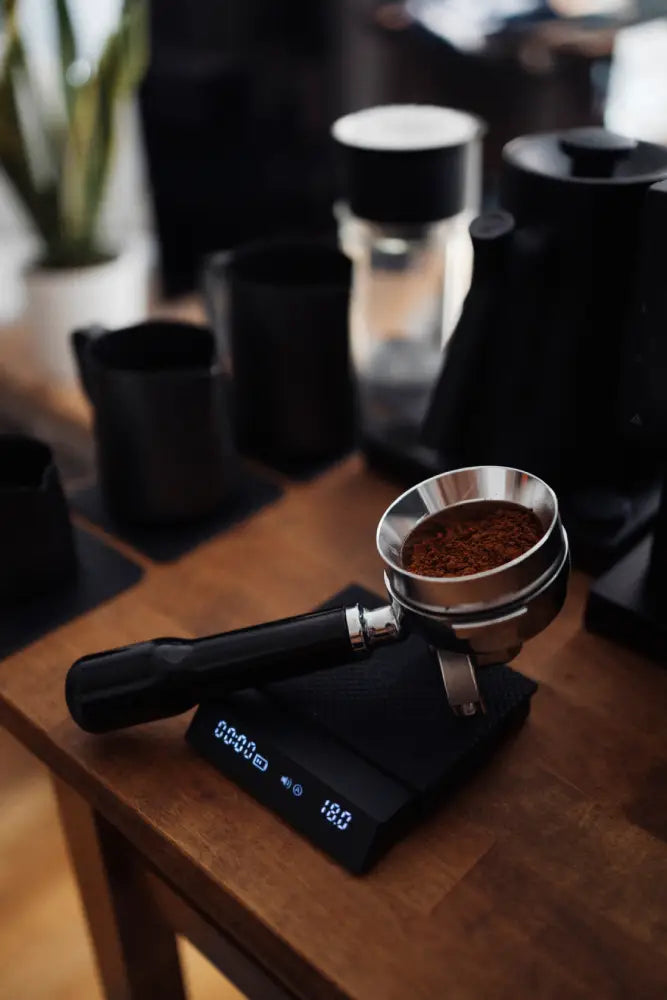
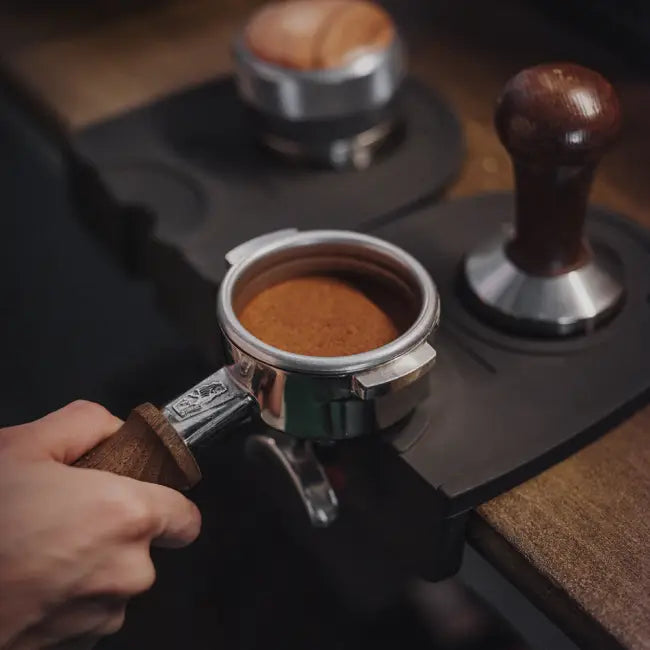
Here's our most up-to-date recipe. It's important to remember that this recipe is a reference and that many variables will influence the final result of the espresso in your cup: from the condition of your machine and grinder, the water you use, the storage/steeping time of your coffee, to the temperature/atmospheric pressure, etc. Therefore, you may need to adjust some parameters to achieve a flavorful and balanced espresso based on your specific needs.

For example, we use 6 bars of pressure on our machine; if yours is set to 9 bars, we would recommend reducing the extraction time by about 5 to 10 seconds to compensate.

Recipe:

  • Ratio: 1:2.4
  • Dry: 18gr
  • In cup: 45gr
  • Time: 34-38s

Variables:

  • Resting time: minimum 2 weeks
  • Temperature: 94ºC
  • Pressure: 6 bars
  • Pre-infusion: No
  • Water: GH 60 (ppm as CaCO3) KH 30 (ppm as CaCO3)

Machinery and equipment used for this recipe:

  • Espresso machine: La Marzocco PB 2GR
  • Grinder: Mythos 2
  • Baskets: 22gr VST (Ridgless)
  • Extras: Barista Hustle WDT, Push Tamper (flat, 100% level)

Tembo Tembo Filter

The following recipe is a guide for preparing coffee at home. Results may vary depending on your equipment, settings, and all the variables that influence extraction.

With each coffee we roast, our team performs tests until they find a recipe that highlights all the coffee's qualities. The one you'll see below includes all the necessary information to reproduce it. Even so, we always recommend trying and experimenting to discover what you like best: use it as a guide and adapt it to your liking.

Remember: the journey is what matters, not the destination.

To consider: Water is the most important factor in achieving a great cup of coffee. Depending on where you live, its composition can vary drastically. Therefore, we recommend using at least filtered water; another option is a mixture of Bezoya and Lanjarón. When adjusting the recipe, change only one variable at a time to identify how it affects the flavor.

It is common to start by adjusting the coffee-to-water ratio. Once you get a cup with a pleasant intensity and mouthfeel, you can modify other aspects of the extraction.

Most pour-over coffee recipes use a ratio between 1:15 and 1:17, with a brew time of between 2:30 and 4:30 minutes.

Kalita / Origami / Orea

We have chosen this method to share our recipes because it is very versatile and easy to adapt to other pour-over systems. The flat bottom and wavy folds of Kalita filters create a wide surface that prevents significant flow blockages caused by the migration of fine particles or clogging.

Kalita/Origami/Orea

Recipe:

  • Ratio: 1:17
  • Coffee: 20g
  • Water: 340g
  • Total time: 3:20-3:50min
  • Temperature: 90ºC

Variables:

  • Resting time: Minimum 4 days after roasting, but best expressed after 10-20 days.
  • Water: 100% Bezoya
  • Filter: Kalita 185

Equipment:

Kalita/Origami/Orea, Kalita filter, scale, timer, grinder, cup/decanter, and gooseneck kettle.

Method:

  1. Place the Orea in a cup/decanter and insert the filter. Pour hot water over it to eliminate the paper taste and preheat the equipment.
  2. Grind the coffee to a recommended level.
  3. Discard the water, place the Orea on the scale, add the coffee distributing it evenly, tare the scale, and start the timer.
  4. Pour 60g of water in circular motions and wait 30-40 seconds for the coffee to degas. If the coffee has been recently roasted, allow more time.
  5. Slowly pour up to approximately 200-250g of water and swirl the Orea once to level the coffee bed and ensure it is completely saturated with water. Never fill to the brim; leave at least a 2 cm gap from the top to limit water bypass around the coffee bed, reducing extraction.
  6. Continue pouring water slowly as before until you have added the required amount of water.
  7. Swirl one last time and let the water drain.
  8. We are aiming for a total time according to the recipe. Adjust the grind size if necessary next time.

Related products

FREE SHIPPING

Spain (Peninsula)

>40€ / Delivery 24/48h LV

Balearics

>40€ / Delivery 3/5 days, LV

Portugal

>40€ / Delivery 3/5 days, LV

Europe

>99€ / Delivery 4/7 days, LV

See more...