

What is cold brew and how to make it
“Give me a sun, no matter how hot, and give me a sherbet, no matter how cold, and my paradise will be as easy as yours, Persians.” Lord Byron wrote these words in 1813 praising sherbet, a popular drink in the Middle East since the early Middle Ages[01].
By 1626, the philosopher Francis Bacon had already tasted it. Sherbet, which comes from the Arabic word for “drink,” is considered the first non-alcoholic soft drink or soda.
It is, essentially, a drink made with syrups and spices. It also became popular in the West and was widely consumed until the arrival of carbonated beverages.
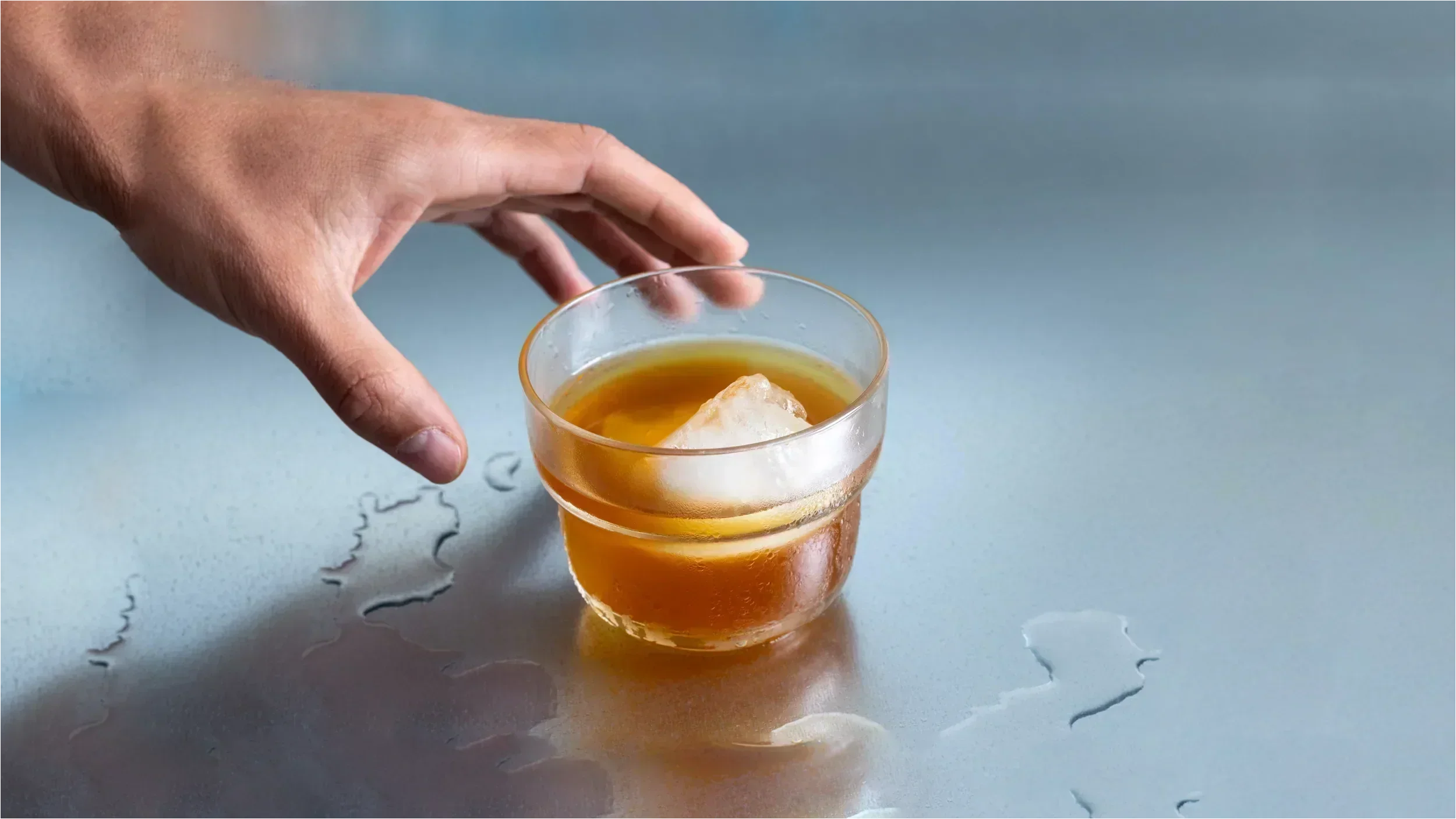
That's where the word "sorbet" comes from. What we propose now is to continue this tradition and create your own sherbet: make a "cold brew" - or cold infusion - of coffee that would make Lord Byron dedicate a couple of verses to it.
What is cold brew coffee?

Cold brew is a cold infusion of coffee
Cold brew coffee is, basically, a cold infusion of coffee. But it is not a coffee infusion that has been left to cool, but an infusion whose extraction has been done cold. And therein lies the difference. Cold extraction of specialty coffee is done by immersing the coffee in water for a long period of time, which can be between 12 and 24 hours.
Cold extraction causes the coffee to release fewer acidic and bitter compounds, thus producing a drink with sweeter notes. A study in the journal Nature shows that our perception of acidity and bitterness increases with hot or cold flavors[02].
[shortcode id="6849315656a6f3207dae8a6d" name="Accessories Gallery" layout="Carousel"]
How does cold extraction affect the taste?
Acidity can be good in coffee, it is one of the 5 basic tastes and can help highlight and create tasting notes. Even a subtle hint of bitterness can be beneficial since, according to the Coffee Research Institute, it can compensate for too much acidity[03].
But if we do a hot extraction and let it cool or cool it with ice, we run the risk of it being too acidic or bitter. When we prepare a cold brew, something we can easily do at home, we prevent this from happening and highlight tasting notes different from those of a hot extraction or infusion.
History of cold brew coffee

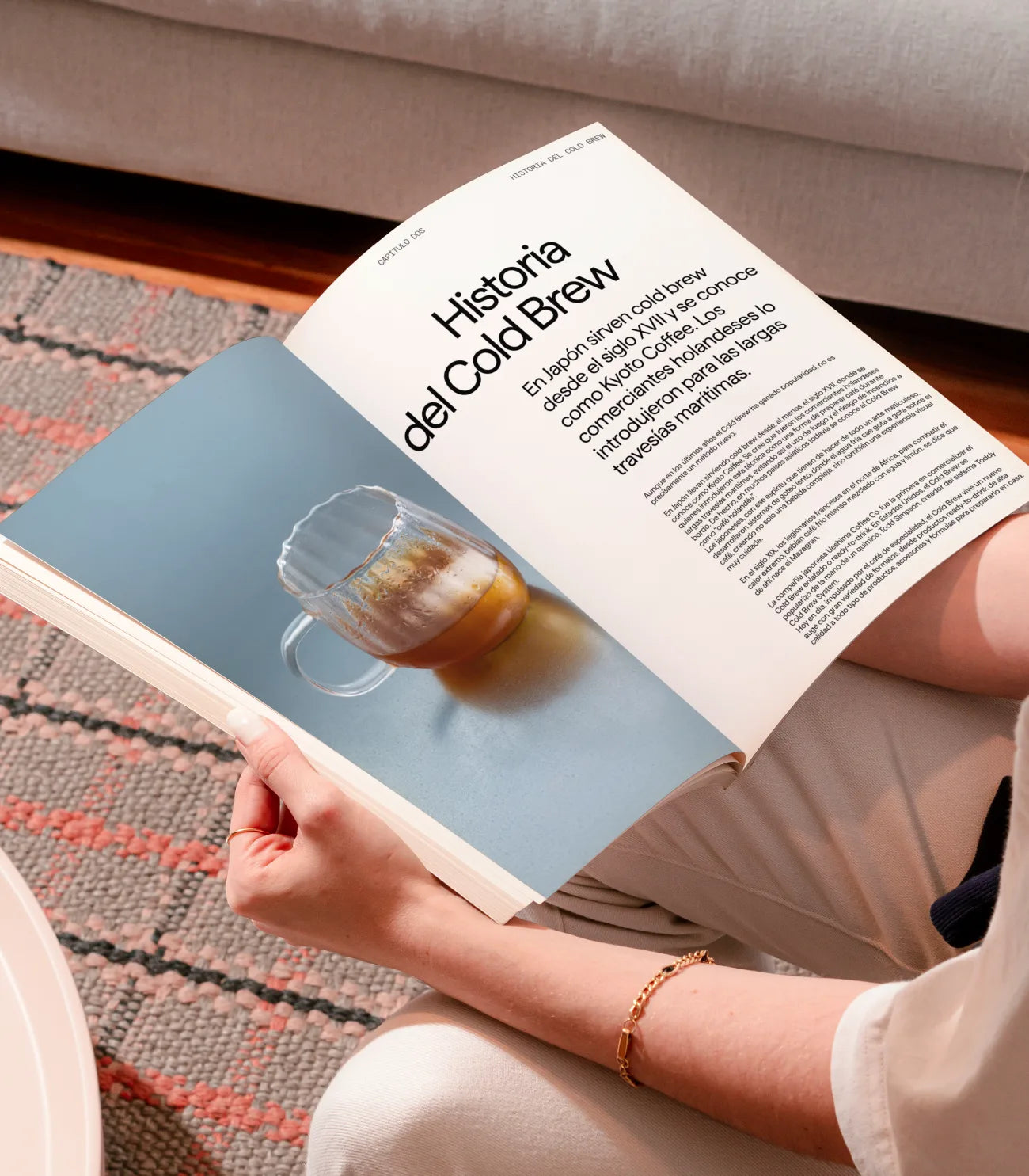
Kyoto Coffee is a type of cold brew coffee made by cold drip
Sometimes, when something becomes fashionable, as has happened with cold brew coffee in recent years, we run the risk of believing it is something new. But being fashionable doesn't necessarily mean it's new, and the way to prepare cold brew coffee isn't either.
In Japan, cold brew coffee has been served since at least 1600. It is known as "Kyoto Coffee" and is said to have been introduced by Dutch merchants from Indonesia, who used it as a way to prepare coffee when they were traveling at sea[04].
The Japanese, with their spirit of making everything an art, soon began to create slow drip devices so that coffee extraction would be, in addition to delicious, a visual pleasure.
Cold Brew arrives in the West

The Toddy is an easy system for preparing cold coffee
In the West, around 1800, different coffee concentrates and syrups began to be produced and sold. Due to their caffeine concentration (and sugar), they became a common drink among soldiers; it is said that French legionnaires in Algeria began to drink it.
The first to sell cold brew coffee were the Japanese company Ueshima Coffee Co., followed by the Italian giant Illy. In the United States, cold brew coffee became popular thanks to a chemist, Todd Simpson, who created an easy method to prepare it (the "Toddy cold-brew coffee system") during a trip to a plantation in Guatemala[05].
Today, cold brew coffee can be found in many different forms and formats (and qualities!), both in the supermarket (although that's not what we would define as cold brew) and in your specialty coffee shop. The important thing is to be aware that fashion does not mean novelty, nor does quality. For this, we must pay attention to how a cold brew is made correctly.
What does cold brew contain?
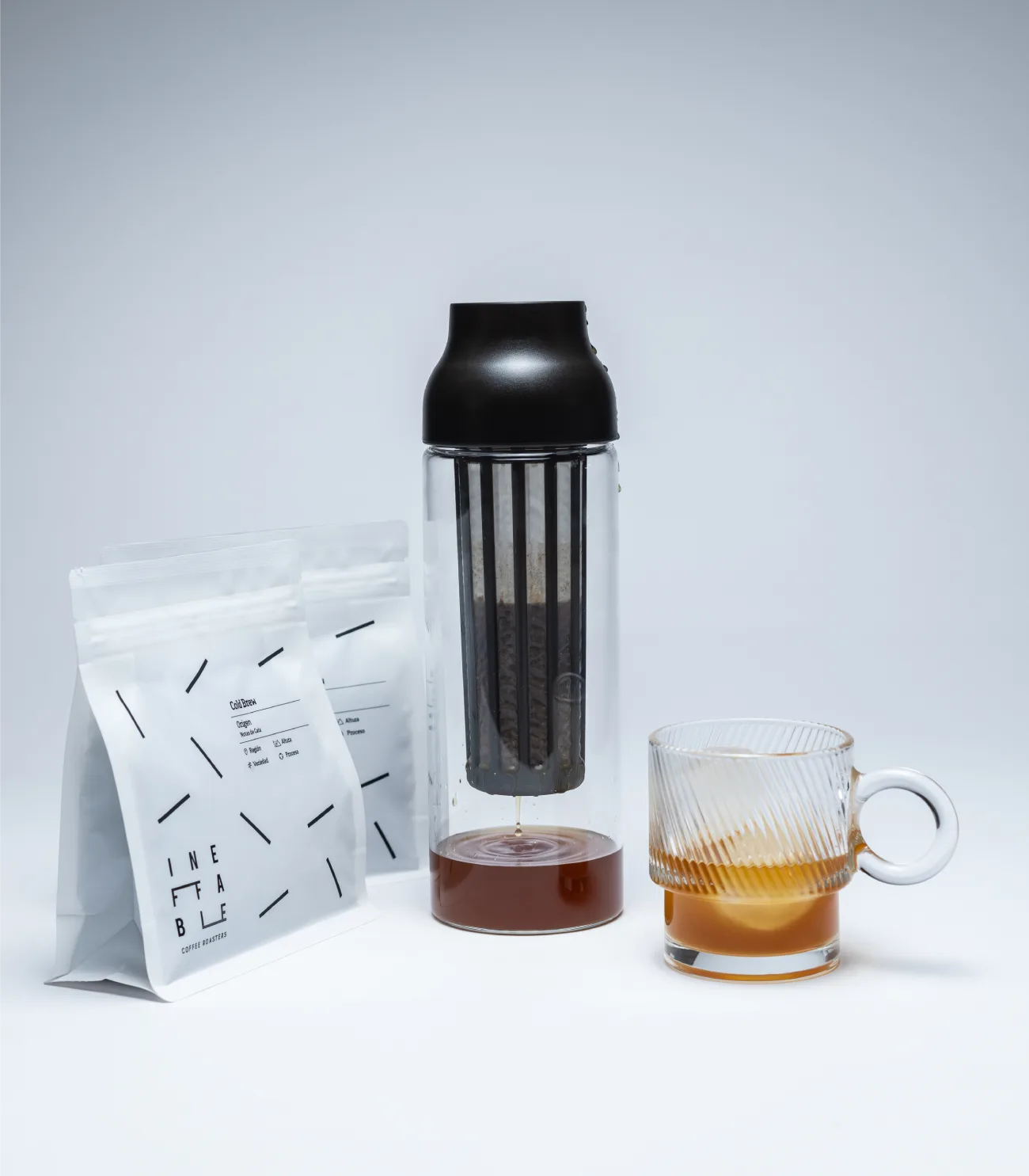
The basic ingredients of a cold brew are coffee and water. It's that simple. It's that delicious. And the procedure is very simple: completely immerse the coffee in water for a long period of time and then carefully filter it before serving.
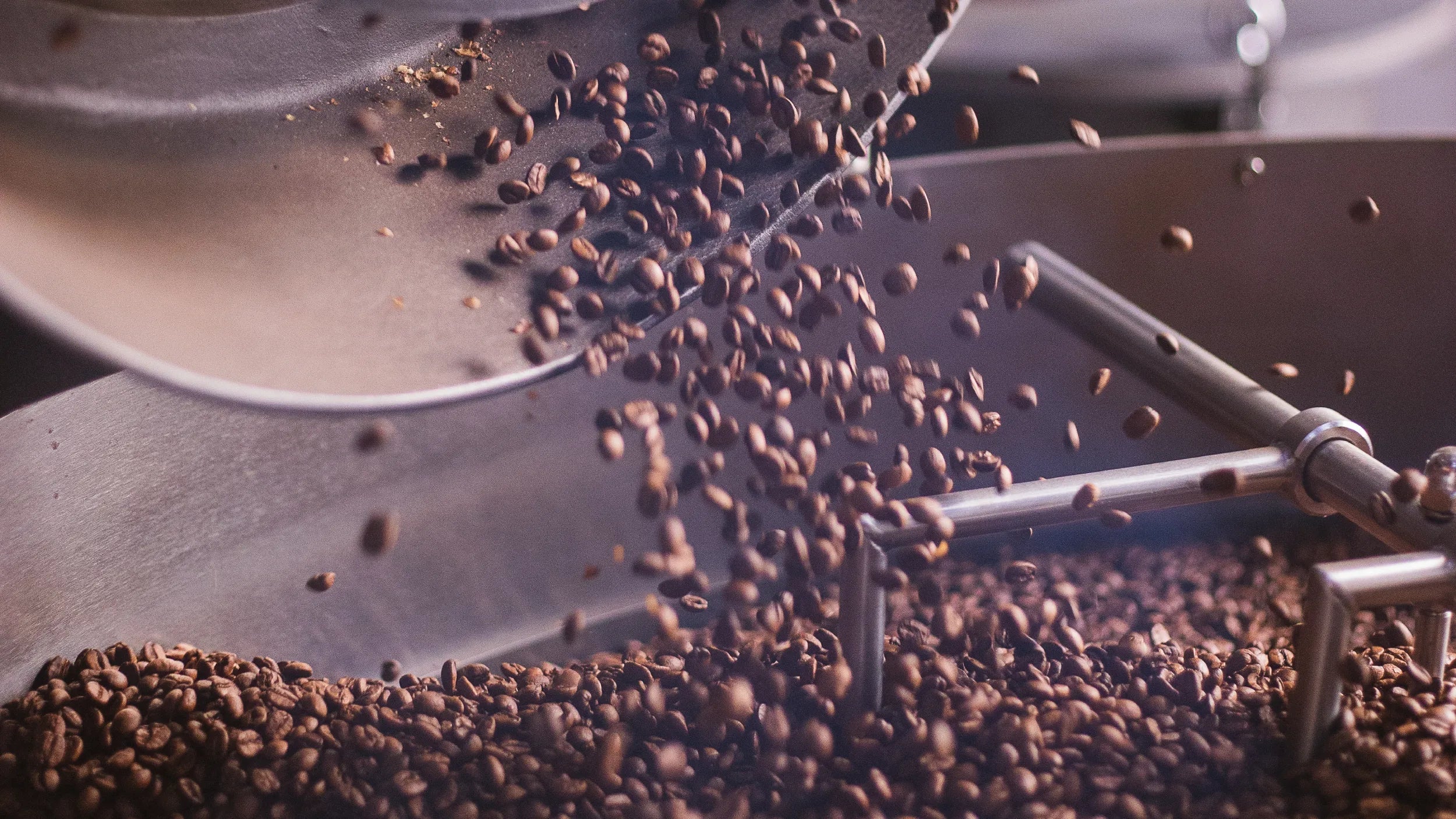
As with all our coffee preparations, depending on the recipe we follow, we will achieve different results. The final quality of our cold brew will largely depend on the quality of the ingredients we use in the recipe. As always, we recommend using freshly ground specialty coffee and water with a dry residue of between 125/175 mg per liter. A water composition of two parts Lanjarón to one part Bezoya will be great.
Cold brew coffee recipe
Steps to prepare cold brew coffee at home
When making Cold Brew, we usually make larger quantities than with other infusion methods. So we propose a recipe for one liter of Cold Brew. If you want to make more or less than this amount, the ratio is 1:14; 1 gram of coffee for every 14 grams/ml of water.
Ingredients and equipment:
- 71gr of coffee (Cold Brew coffee recommendations)
- 21 commander clicks (medium/coarse grind)
- 1,000gr/ml of water at room temperature
- We recommend 100% Bezoya water (or low mineralization water)
- Cold brew pitcher or bottle
Preparation:
- Grind the coffee with a medium/coarse grind
- Place the coffee directly into the pitcher or bottle filter
- Pour the pre-weighed water into the pitcher or bottle
- Stir gently to saturate all the coffee
- Cover the container
- Let it rest for 16-24 hours in the refrigerator (beware of strong odors!)
- After this resting time, remove the filter with the coffee and it will be ready.
BONUS
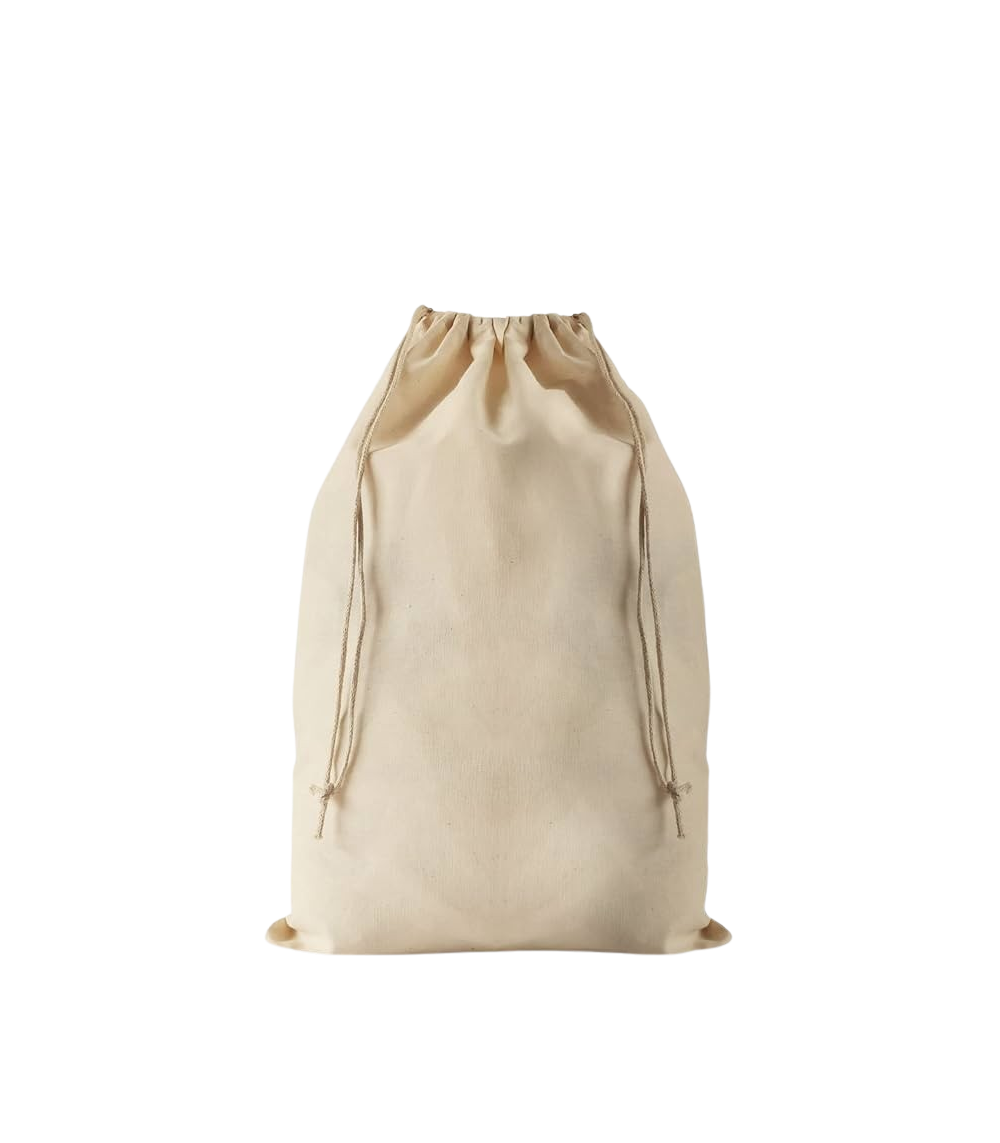
Bonus 1: You can do an additional filtration with a V60, Kalita paper filter, a cheesecloth or something similar to get a cleaner and more crystalline result.
Bonus 2: For a top flavor, consume as soon as it's ready. As the hours pass, it oxidizes.
Bonus 3: Do not shake or press the coffee, to avoid extracting bitter flavors or sediments.
Bonus 4: You can freeze Cold Brew in ice cubes and use them to chill your Cold Brew or for making other drinks.
Bonus 5: Food safety: wash hands and utensils correctly. Keep for a maximum of 3 days in the refrigerator in a glass container, preferably closed and without additives (sugar, milk, etc.).

01. Grind the coffee with a medium/coarse grind.

02. Place the coffee directly into the pitcher or bottle filter.

03. Pour the pre-weighed water into the pitcher or bottle.

04. Stir gently to saturate all the coffee.

05. Cover the container.

06. Let it rest for 16-24 hours in the refrigerator (beware of strong odors!).

07. After this resting time, remove the filter with the coffee and it will be ready.
Ineffable Recommendation
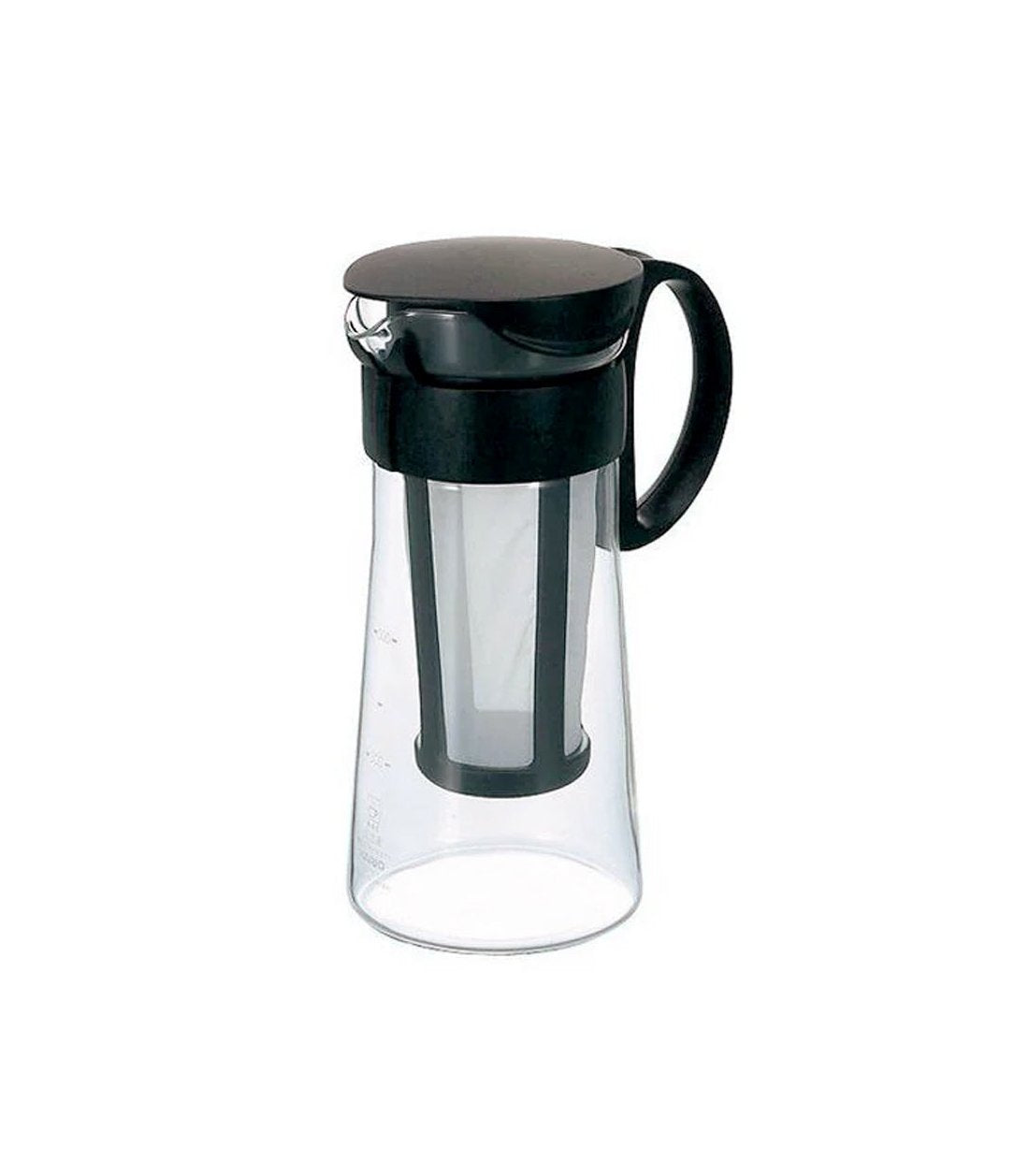
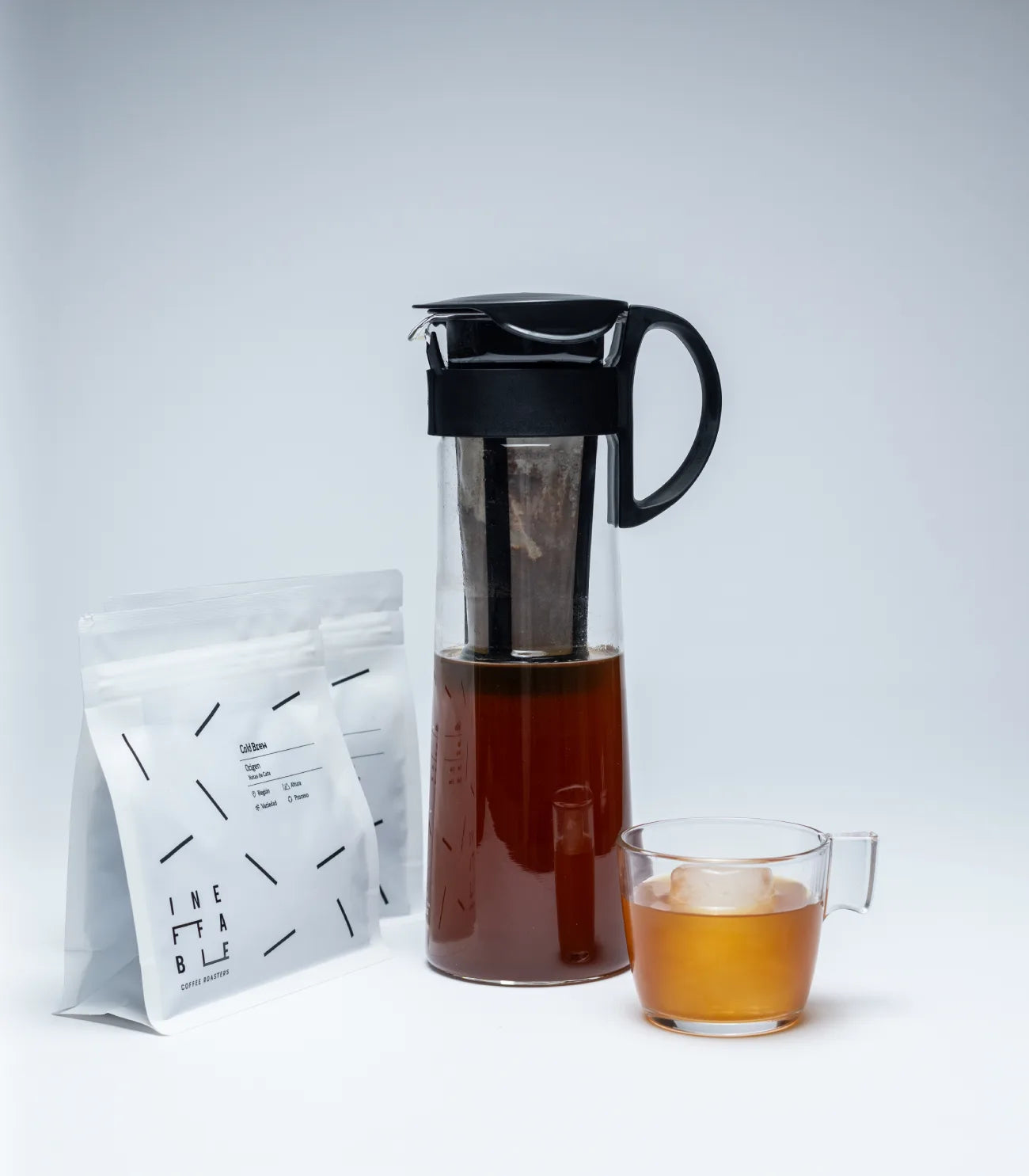
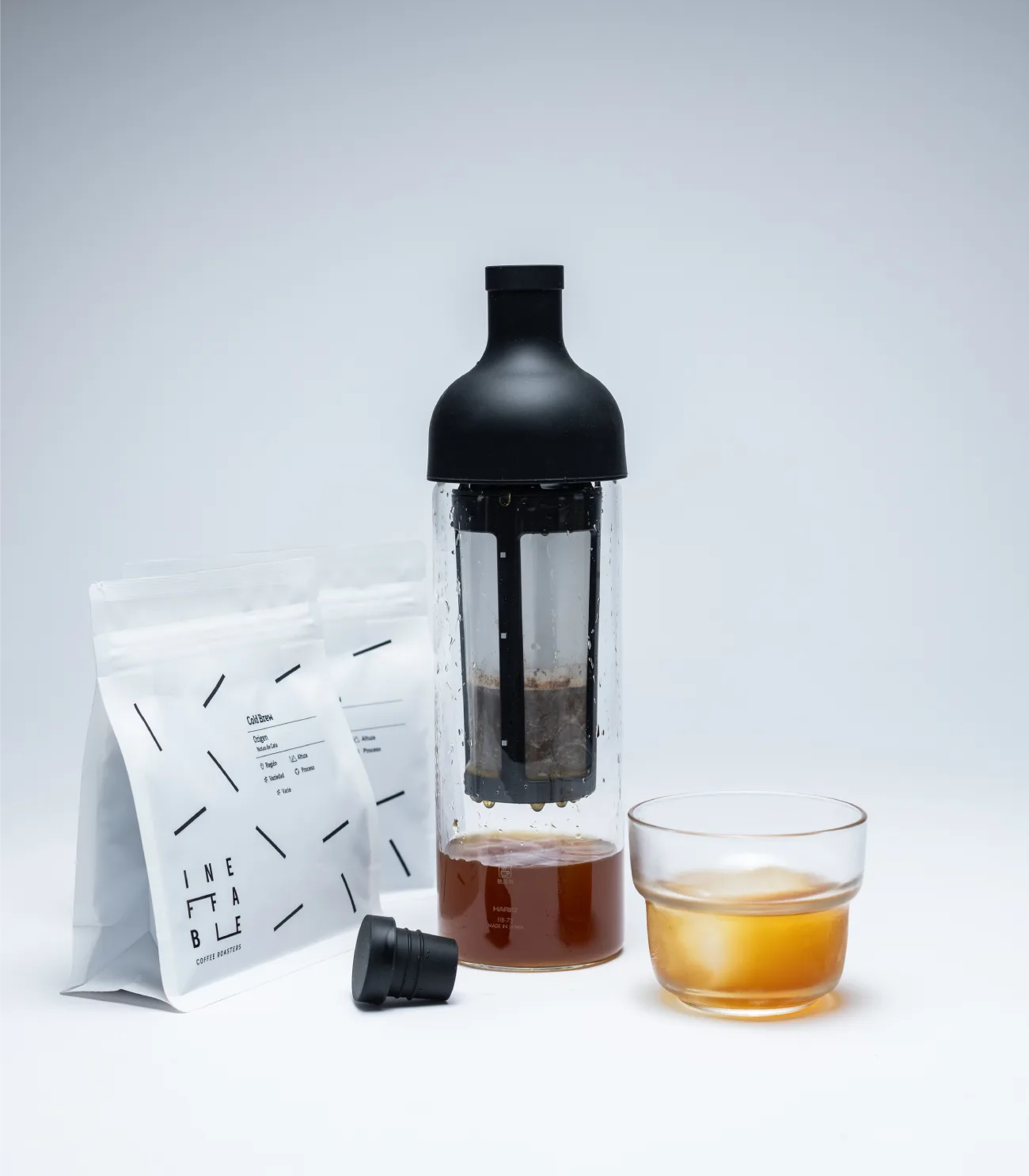
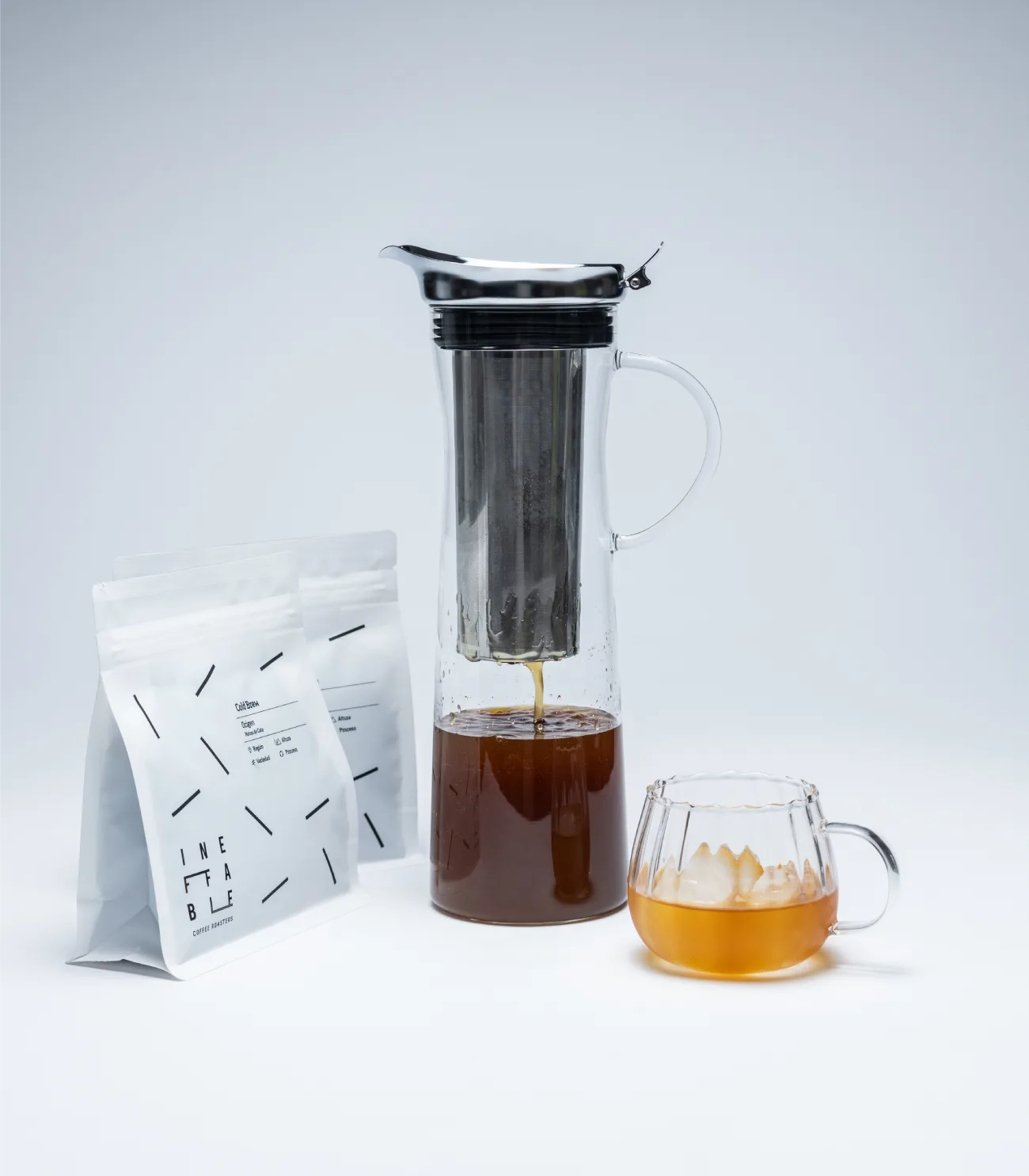
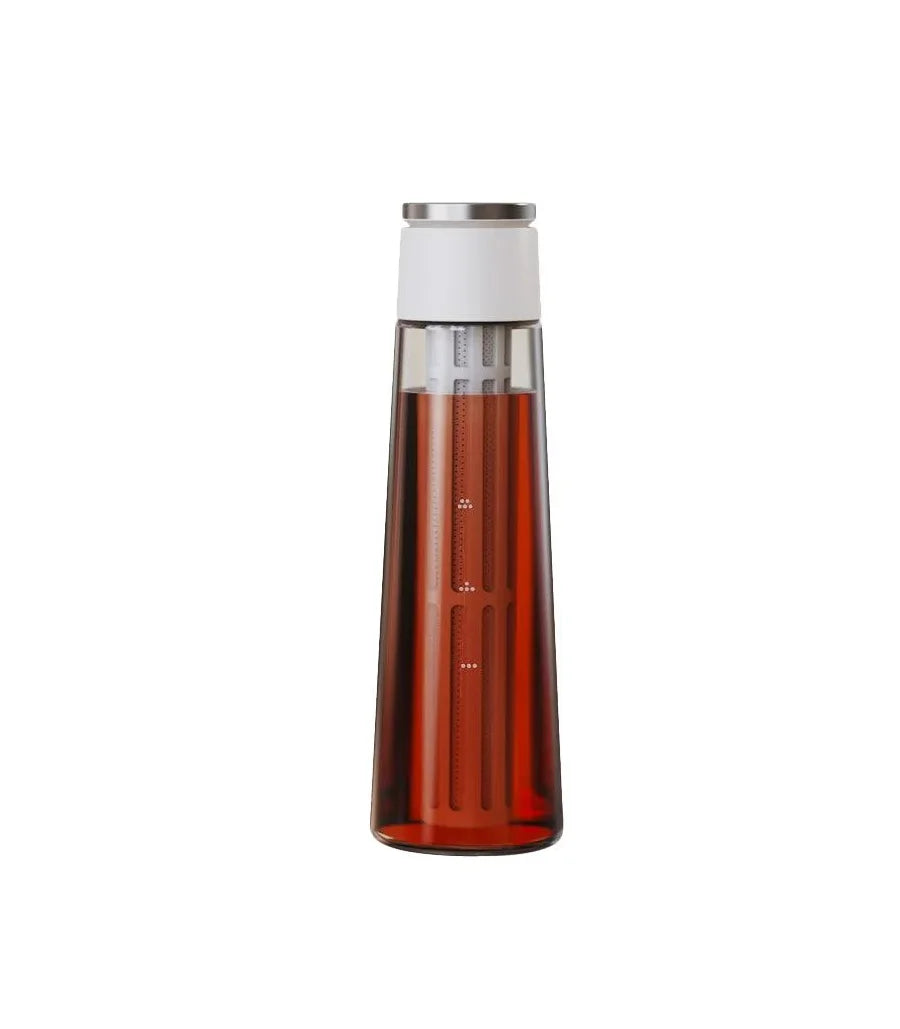
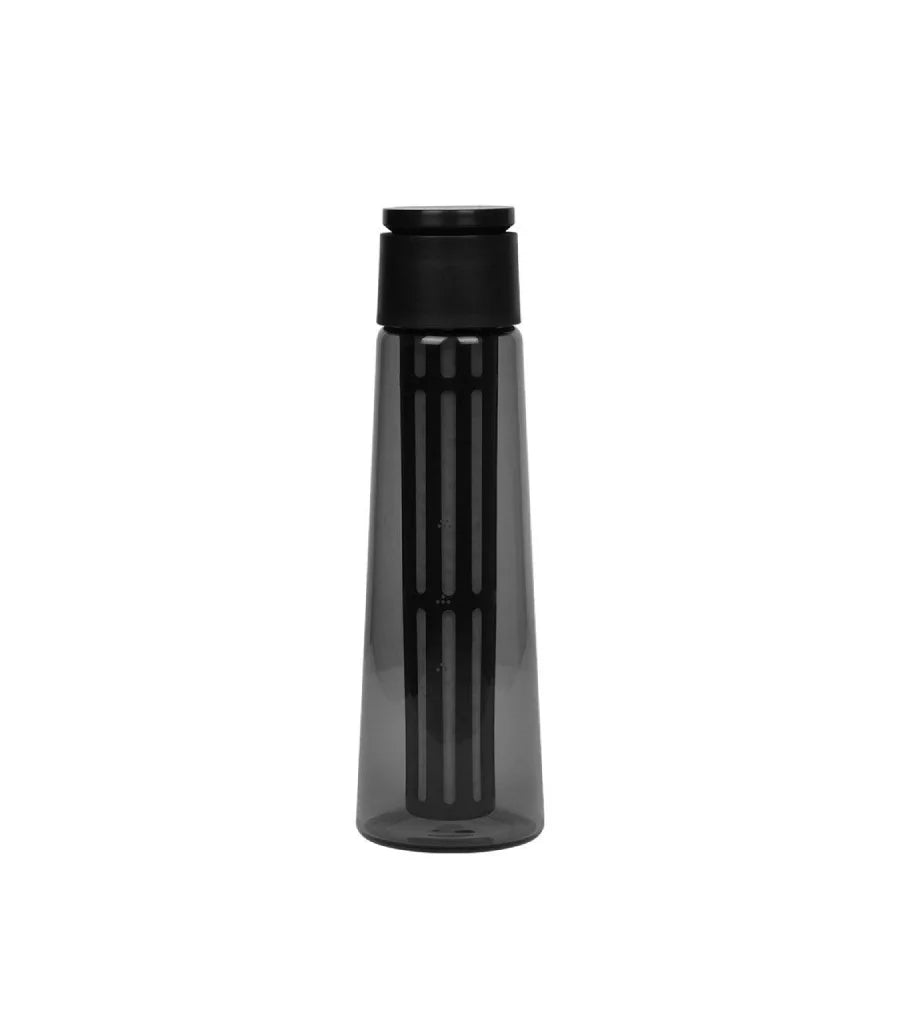
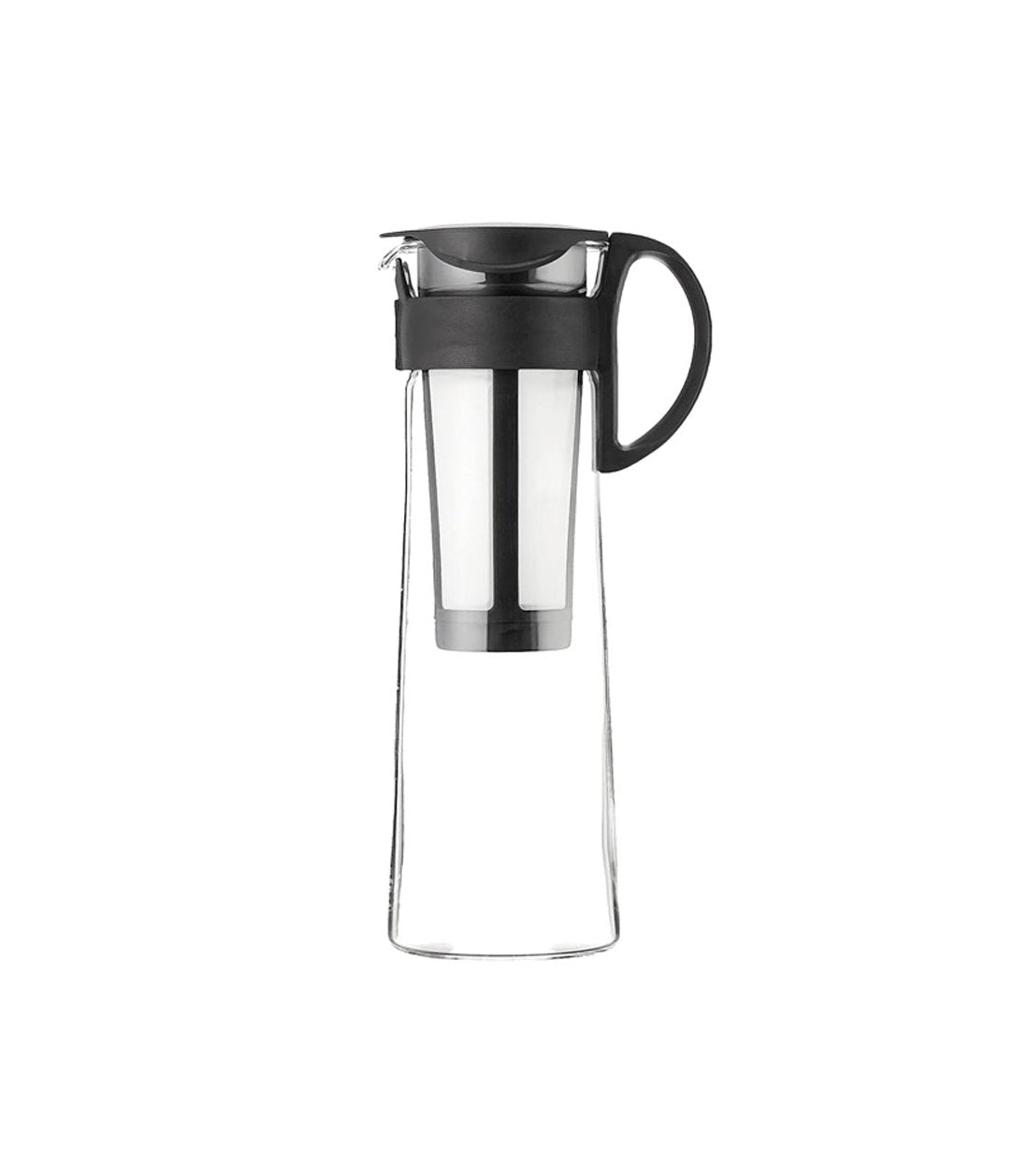
If you don't have a mesh, or you're a coffee addict and like it cold in summer, you can opt for this Hario Mizudashi Cold Brew coffee maker.
Add the ground coffee, the corresponding water, and directly to the fridge to rest!
How to make cold brew in a French press?

You can also prepare cold brew with a French press
In addition to the previous recipe, you can also make cold brew using your French press or plunger coffee maker. The ingredients, method, and water/coffee ratio are the same, simply, instead of using a mesh, we would use the coffee maker's filter to separate the solid residues from the coffee.
Following the same quantities we described above, the procedure would be:
- Pour the ground coffee into the coffee maker
- Fill with the appropriate amount of water
- Stir, cover, and let it rest in the refrigerator
- Once the appropriate time has passed, push/filter the coffee grounds to the bottom of the coffee maker and serve carefully (this way most of the grounds will not pass into your glass)
Ineffable Recommendation
One option we really like at Ineffable Coffee is the Timemore French press.
With a capacity of 450 ml, and its insulation, it will keep your drinks fresh (and also hot) for longer.
So for quality, design, and price, we can't help but recommend it.
Enjoy seasonal coffee, visit our store
Does cold brew coffee have more caffeine?

A cold brew coffee has more caffeine than a hot extraction
In addition to the cold brew recipe we've suggested, there are other ways to prepare this cold coffee infusion. The basic idea is that a cold extraction requires a long infusion time and taking into account the coffee/water ratio.
There is also the possibility of buying ready-made cold brew; many specialty coffee shops already sell it pre-packaged. But, as with any coffee preparation we make, the time that has passed since we made it will influence its flavor due to the natural oxidation process it undergoes.
Given the ease of preparing a cold brew, we recommend you try making it at home, which will also allow you to experiment with different coffees and recipes until you find the one you like best.
However, keep in mind that the longer the contact time between the coffee and the water, the greater the dissolution of solid compounds and, therefore, the higher the caffeine concentration.
But this summer, we hope you'll need all that caffeine and more.
However, enjoy it responsibly!
References:
[01] Words written by Lord Byron during his travels to Istanbul in 1813. Words of Lord Byron.
[02] New studies reveal that the perception of food changes according to the temperature of the food or drink consumed. Nature Magazine.
[03] The Coffee Research Institute has conducted a study on coffee bitterness. Coffee Research Institute.
[04] Cold coffee is said to have been introduced to Japan around 1600 by Dutch merchants from Indonesia. They prepared cold coffee while at sea.
[05] Todd Simpson created the Toddy cold-brew coffee system on a trip to Guatemala. Historical data of cold-brew.